There is a marked improvement in regional digital connectivity across Australia in 2026 thanks to government money put into mobile upgrades, fibre, fixed wireless, satellite and community projects. But what works for one will not for another; it is a matter of budget, terrain, where you are and how much infrastructure is in place, to say nothing of your patience with the odd internet tantrum.
We have put together this guide to the principal state and Australian Government initiatives, from the On Farm Connectivity Program to the Better Connectivity Plan for Regional and Rural Australia and the Regional Connectivity Program. You will also find information on regional mobile and satellite internet for rural areas, communications resilience and what can be done at home or on the farm. For Matthew Vale, a traveller by nature, a signal that drops is an inconvenience of a different order than a failed video call; it can compromise safety and navigation as well as any help at hand.
The Case for Good Connectivity
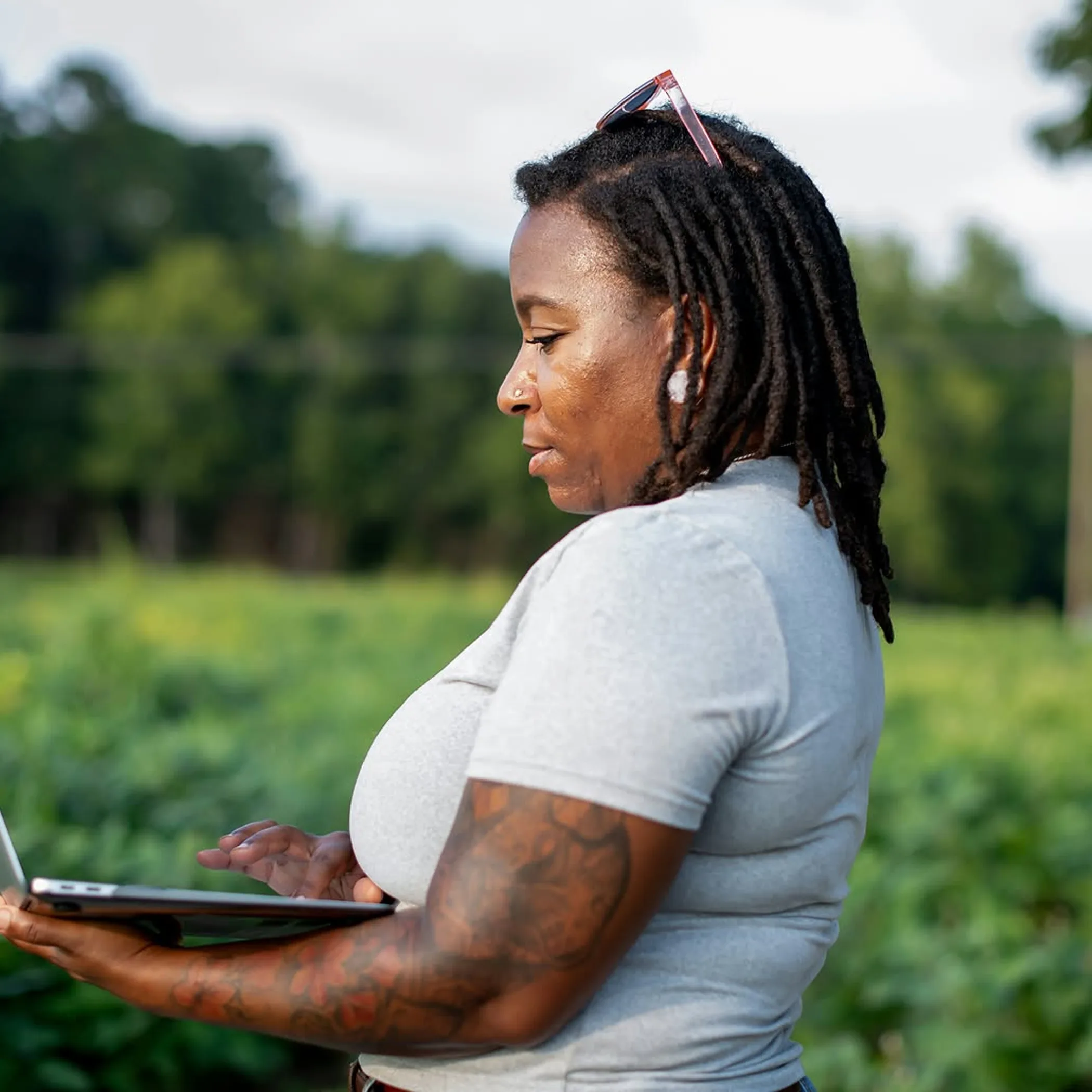
It is no longer just about social media and streaming. High-speed internet is what underpins telehealth, distance learning, banking, farm management, tourism and keeping in touch with family in regional communities. This makes a national digital inclusion framework essential.
Do not think of the digital divide as something that only separates the city from the country. It can exist from one property to the next. In a regional centre a house might have options, but put a few kilometres between it and a farm and the latter is down to a satellite dish or one mobile tower.
Access is an Everyday Necessity
For a rural business there is an increasing dependence on the cloud for accounting, inventory and marketing, not to mention online bookings and e-payments. An interruption has a price in terms of work not done and customers left high and dry; a country town café is not going to want to be processing payments offline for half a day.
Then there is the question of safety. From November through April in the north, when cyclone alerts are issued or during floods and bushfire closures, one wants to be sure of getting evacuation and warning information. The battery radio in the shed is fine, but it should not be your only recourse.
When Distance is a Factor
On the Gibb River Road or an out-of-the-way Pilbara track, or even the Stuart Highway, mobile coverage is fickle. Do not be under the impression a phone will pick up a signal because the map says so; download your maps and let someone know where you are heading.
Weather can make short work of roads and power in the Kimberley and Top End in the wet season, while in the Red Centre you have heat and vast distances to contend with. So a plan for connectivity has to take account of power, access and how long a repair will take, not merely the download speeds on offer.
What to Make of Government Programs
Policy in Australia is a mix of national investment and local or territory projects. There may be funding for everything from building infrastructure to equipping a community or teaching digital skills.
Be sure to read the fine print on eligibility. Some of the program names are very like one another. A grant intended for a community facility will not cover a private household, and an agricultural use must be proven to get in on a farm technology program.
National Initiatives
The agenda set by the Australian Government encompasses the Regional Connectivity Program, the On Farm Connectivity Program and the Better Connectivity Plan for Regional and Rural Australia. The latter is a policy umbrella of sorts for the whole of regional telecommunications and its resilience, acknowledging that fibre or fixed wireless or satellite may all have their place and no single technology is a panacea.
If a property is hard to service on account of hills and trees and a long driveway, or if provider claims are hard to parse, the Regional Tech Hub is a good source of practical advice on what is available.
Make Sure of Your Funding
Grants have their rounds and criteria and will close. Whether in respect of co-investment or who is eligible to apply, the rules are subject to change. Consider the programs we name here as a way to find the official line rather than an assurance the door is open for applications.
And before parting with money for equipment, make a note of what you have at present. Put down the plan cost in AUD, the provider, average speeds and when they fail, the strength of the mobile signal in the paddocks and which rooms are affected. That is a better argument than “the internet is rough as guts”, though the phrase may be apt.
Infrastructure Works of a Place-Based Nature
With the Regional Connectivity Program one will find projects that are tailored to local conditions. This is as it should be; what works in a coastal town would not do for a cattle station out in the backblocks or a community cut off by the seasonal floods.
The likes of local government, telecoms and community organisations can all be partners on a project. There is merit in co-investment to make public money go further though it does put some additional onus on the applicant. One has to be clear on such matters as equipment ownership, maintenance costs and the position once the grant has run its course.
How a Local Project Can Make a Difference
It could be to put an end to a mobile blackspot, put in place community Wi-Fi, or bring a fixed wireless service to a library, health centre or other public facility. In so doing a number of households are catered for and those without the means for a private upgrade have an access point to use.
The best proposals put forward will have measurable outcomes and spell out the problem and the users it affects. Statistics on the matter might show how many premises are involved, the average length of an outage, where there are gaps in mobile coverage or the proportion of households with no dependable service and which local businesses stand to gain. For a wider evidence base on household internet and technology use, the Australian Bureau of Statistics has the official figures.
Reality as Opposed to Expectation
One might think a new tower is going to give you strong service in the vicinity. Then again, performance is subject to the direction of your device, network congestion, building materials, tree cover and hills. And while a funded project is expected to be a permanent fix, the equipment requires a commercial model, backhaul and power. A community may well have a good connection but still require a plan for the operating costs and repairs down the track.
Farm Grants: Eligibility and the On Farm Connectivity Program
This program is for the benefit of agricultural operations. With better connectivity a farmer can have at his disposal sensors, weather data, machinery information, mapping, safety systems and a line to suppliers or emergency services.
Do not be under the impression that a general home internet upgrade is in order just on account of an agricultural postcode. The rules governing eligibility and the size of the grant must be checked to see if they apply to the farm’s location, type and the equipment in question.
Preparation for Farmers
An application should set out the operational issue and what the technology is to achieve; say a producer wanting a firm link from the homestead to the pump shed or coverage in the yards for staff on their own. To that end have on hand any quotes from suppliers, maps, site photos, invoices and proof of coverage problems. It is also worth inquiring as to whether the grant comes before or after the purchase and the GST implications, and if a contribution in AUD is called for.
- Put each installation or device you put forward in the context of a task on the farm.
- Ascertain the cost of subscriptions and the need for power and weather protection.
- Record dates of purchase and installation and get the approvals in writing.
Then there is the hardware. Do not let the shiny gadget fool you into thinking it is the whole billy of tea. A satellite terminal is only part of the expense; you will want a monthly plan and something to mount it on with a view of the sky. A sensor network across the farm will call for gateways, batteries and a specialist to put it in.
Resilience and Mobile Coverage
There are small-cell infrastructure and roaming deals as well as new towers that can enhance regional coverage, but a map is an estimate, not a guarantee. Your phone could be displaying signal yet the data is too slow for a video call. Put the service to the test at the stockyards, the house, the main road and any emergency meeting point. If you can, try more than one network; what is excellent in town can be another story over the next ridge.
A Plan for When Things Go Down
For a remote farm or household with medical needs, resilience in communications is about being prepared for an outage.
- Have a vehicle charger and a fully charged power bank.
- Put away your offline maps and essential documents.
- Where the risk warrants it, have a second connection via satellite or mobile broadband.
- You might put in a call to the council or neighbours about shared arrangements.
In the event of a power failure the modem could be in fine working order while the network gear is not. An uninterruptible power supply will see you through a short interruption but it is not going to mend a broken fibre route or tower. Be sure of what your backup is capable of.
Initiatives from the States and Territories
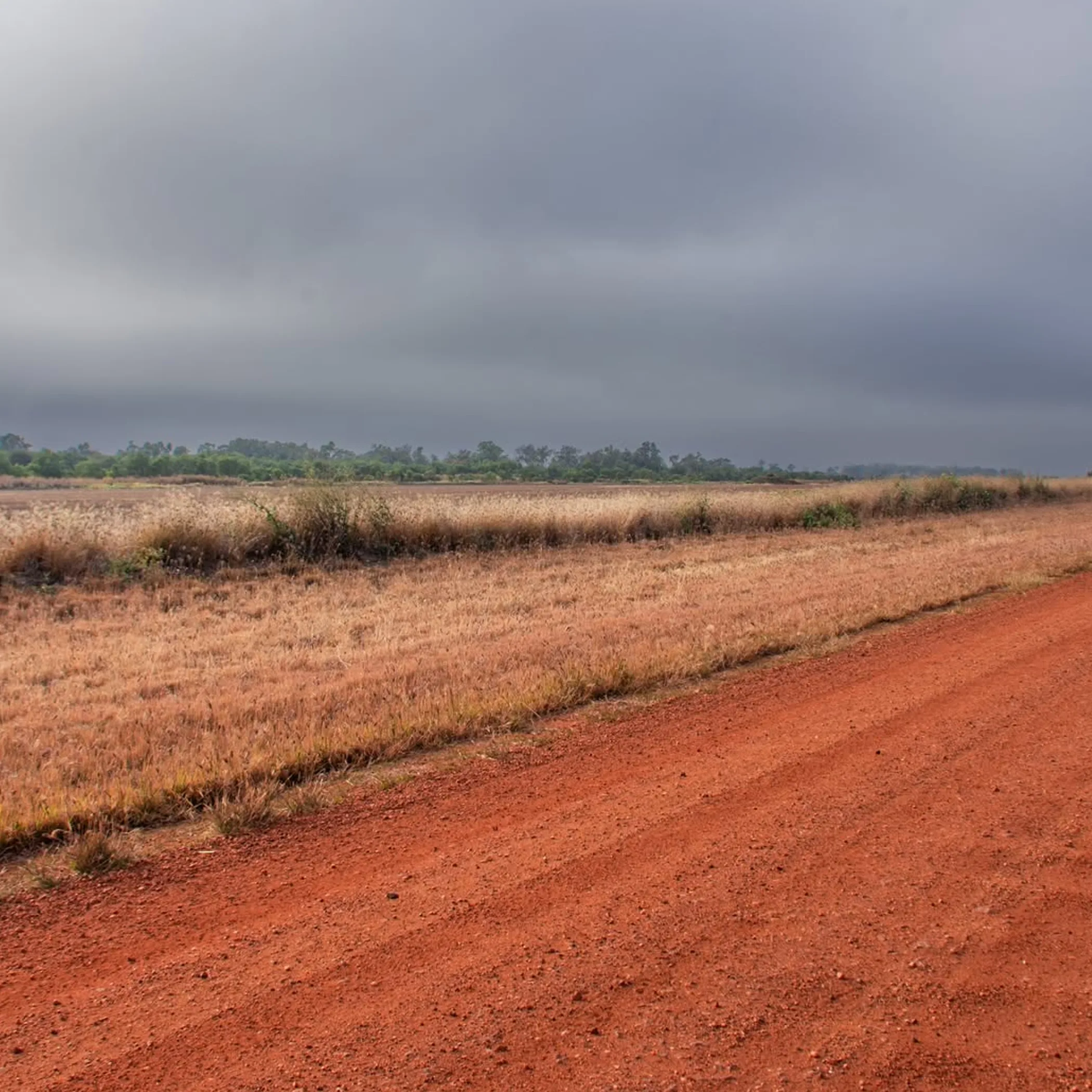
By way of further support, state programs can be put in place to close infrastructure shortfalls or to serve particular industries and regions. What they make a priority is often dictated by the local economy, population, geography and any exposure to disaster.
It is well worth making an enquiry with the appropriate state department on eligibility, project maps and what is on offer in the current round. Do not be misled by nomenclature; the WA Regional Digital Connectivity Program and its NSW counterpart may have different funding arrangements for regional digital infrastructure despite the similarity in name.
Western Australia and New South Wales
Projects wanting to put in place a better service in regional New South Wales will find the NSW Government’s Regional Digital Connectivity Program of interest. An applicant must put forward the case for the service gap in the locality and ensure the work to be done is in keeping with the program as it stands.
In Western Australia one has to contend with vast distances separating properties and towns. The WA Regional Digital Connectivity Program is there to provide for that, offering practical answers for remote communities, the Pilbara, mining and agricultural country. A fixed connection of high capacity might be feasible in some instances, but elsewhere a mobile or satellite option is more sensible.
Digital Inclusion for First Nations
There is more to First Nations digital inclusion than to install some equipment in a community and be done with it. Whether a service is of any use is determined by such things as cultural safety, training, the cost of it, device access and having technical support one can rely on. Local leadership is also a factor.
With the First Nations Digital Inclusion Roadmap 2026 and after, the emphasis is on planning that puts people first. Community Wi-Fi and digital skills are every bit as important as the hard line. If residents are unable to put a fast service to use or are put off by the price, the gap remains.
Making the right choice of connection
Reliability, total cost, data limits, latency, how the installation is done and what backup is at hand should all be weighed up, as well as the frequency of outages and who uses the service.
Fixed-line or fixed-wireless is generally fine for the business of work and study at a regional home if it is to be had. Mobile broadband offers flexibility though it can be tried in times of heavy use. For rural Australia, satellite internet will go where terrestrial networks cannot, but one would do well to think over the matter of weather, data plans and clear-sky conditions.
A comparison of the main options
| Option | Best For | Watch For |
|---|---|---|
| Fibre or fixed line | Homes and businesses with network access | Availability, any local faults and limits on installation |
| Fixed wireless | Properties within reach of a suitable tower | Line of sight and the vagaries of the weather |
| Mobile broadband | Portable applications and households with moderate needs | Coverage variation and data limits |
| Geostationary satellite | Remote sites needing wide geographic reach | Latency, weather and equipment positioning |
| LEO satellite internet | Remote farms and businesses wanting lower-latency satellite service | Subscription cost, clear sky view, power and hardware support |
| Community Wi-Fi | Public places and shared access | Privacy, opening hours, capacity and ongoing funding |
Providers and their plans vary in price. Put aside the necessary AUD for the hardware, a technician and power protection, not to mention the monthly bill. Get the full cost for the year ahead instead of being swayed by the figure put out in advertising.
One day to sort a bad connection?
Then put evidence and safety before anything else. Run a test on the present service here and there, talk to a couple of providers, see if there is a government program you can tap into and have a contingency for an emergency. There is no call to put yourself on a roof or down a flooded track to prove a point. Take some photographs of the equipment from a safe vantage point and put down the signal readings. Have a qualified installer come in to look over the power, cabling and mounting. Where cyclones are a concern one will want to see that there is adequate anchoring and weather planning in place.
Inclusion And Regional Growth
For Digital Inclusion Australia access has to be of substance, not just a technicality on paper. There is a need for an affordable connection and a device to go with it, the confidence to make use of digital services and someone to turn to for support if there are problems.
A dependable link will allow regional enterprises to do business outside their own town, open up flexible working arrangements, underpin online education and local health provision. Visitors can make use of it to vet road conditions, get in touch with their accommodation or otherwise plan a safe way out into the bush.
Speed Is Not Everything
The fastest plan on offer is not what every household is after; they would rather have a bill they can afford, service they can count on, straightforward troubleshooting and data to spare for school and appointments. A small business will put more store by stable uploads than any claims about download speed.
I approach connectivity as I would fuel when making travel plans in the region: you check it before a long haul because it is finite. I will have my downloads done and a paper record of the important stuff, not put it to the test that being near a town guarantees coverage. It has spared me the occasional logistical circus.
Frequently Asked Questions
Will 6G be in Australia?
Not something most of the regional households we cover in this guide should be looking at. Stick to the mobile, fixed-wireless, satellite and fixed-line services at hand for now. Vendors may talk up 6G but be sceptical of such pronouncements until you have confirmation on the service and equipment.
What is being done on infrastructure?
You will find a combination of state and national programs, co-investment from the locality and commercial money in the regional mix. The Better Connectivity Plan for Regional and Rural Australia and the Regional Connectivity Program are examples, along with state level offerings, that cater to varying needs. Do not be surprised to see eligibility, funding rounds and locations shift in 2026.
Can one still get dial-up?
It is hardly a sensible option these days for the region. Even where a telephone service lingers in some odd corner, dial-up is too slow and unreliable for the demands of modern work or safety. Look to the fixed, wireless or satellite alternatives.
On Farm Grants?
The On Farm Connectivity Program has its rules for agricultural projects. You will have to consult the official guidance for the latest on deadlines, co-investment and what equipment is eligible. Put together your case with supplier quotes and evidence of the service gap, and make clear how the project is going to better your operations or safety.
So which is the best connection?
That depends on the property. Go with the one that is reliable and does what you require for a reasonable price in AUD. If an outage could disrupt payments or critical farm work then a back up is in order.
On To The Next Connection

By 2026 the Australian regional scene will be a blend of local solutions and technologies. The one that is worth having is not necessarily the swiftest but the sort of connection that is robust enough for where you are and has a sensible fallback in bad weather.
Put in the time to measure the gap and run the numbers on total cost. Make contact with a provider or the Regional Tech Hub and see what the government and state have to put forward. For a remote household or rural business it is all part of the same thing: inclusion, peace of mind and good infrastructure, and a means of avoiding the odd frozen video call.
