May through September is by and large the time to be in Uluru Australia in 2026; the cooler days are much more to one’s liking for a hike or an early start at sunrise. One can make of April and October fine shoulder-season months too, though you will find summer has its drawbacks in the form of intense heat, walking restrictions and the odd storm, if not fewer people around.
What follows is a guide to the seasons at Uluru and how to put together your walks, transport and accommodation, to say nothing of the weather month by month. I am Matthew Vale and my travel writing is of a kind that does not shy from the unglamorous details like the cost of a snack or the fact your water bottle is inadequate, let alone the early alarm calls that tend to catch people out.
A 2026 Visit
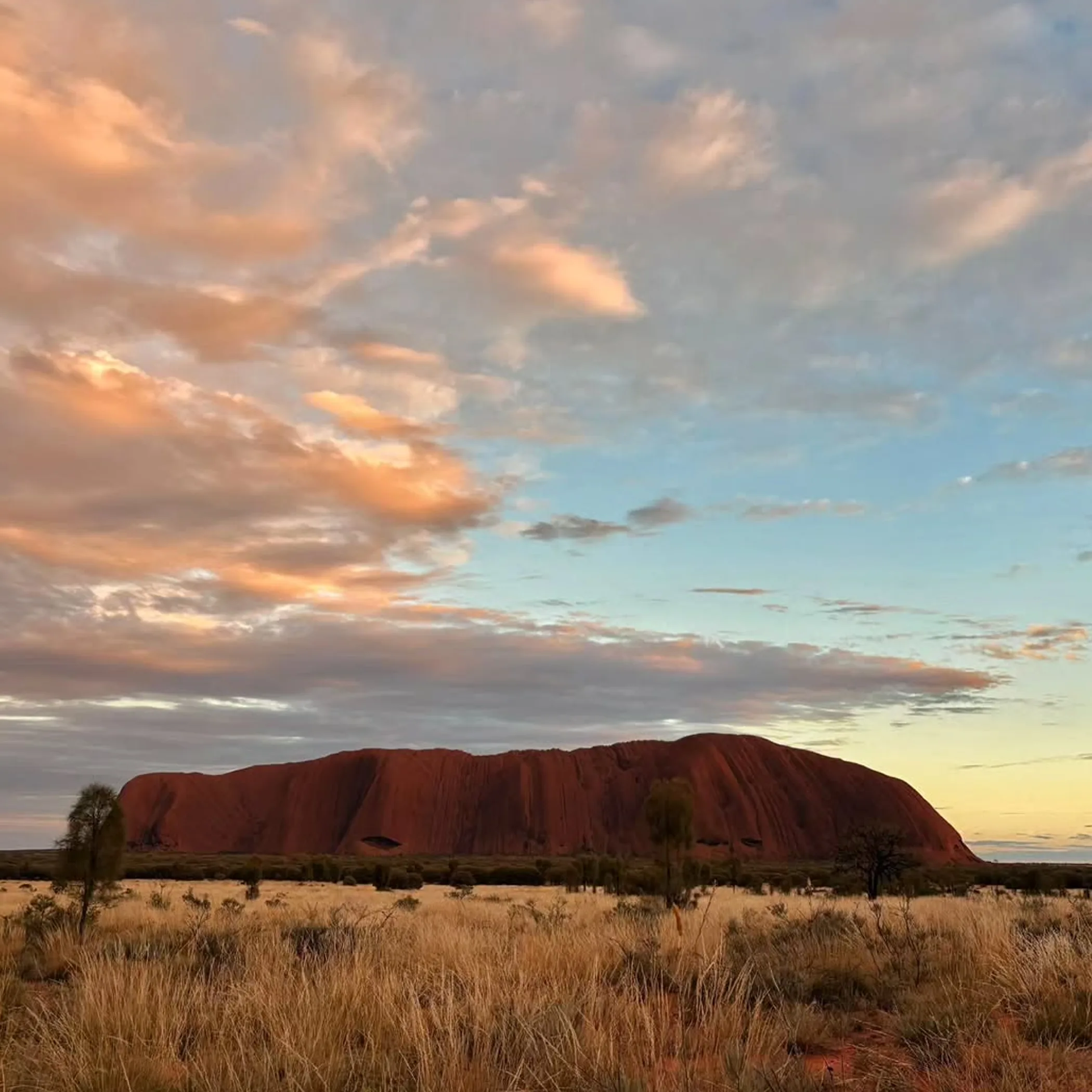
Travellers will find the period from May to September to be the most reliable for sightseeing and open walking, with the cool season affording warm afternoons and some very good conditions for excursions to Kata Tjuta or the Uluru base walk; see about best seasons to visit Uluru Australia 2026.
Then again there is no ideal month to suit all. A photographer might want the winter light, a family the convenience of school holidays, while those watching their budget will eye the shoulder season. It comes down to your tolerance for the heat and how much walking is on the agenda.
Deciding on a Window
June, July and August see plenty of visitors as the daytime is typically comfortable to be out in. Do not make the mistake of packing only for summer if you are in for a cold winter night; those who do will be shivering next to the car park come the first morning before the sun is up.
An excellent compromise is to go in May or September when the nights are not as bad as mid-winter and the park is not so full, being outside the main school-holiday run. October is an option but the weather can get hot enough to put a damper on any walking you had in mind as the day progresses.
April is worth considering provided you are ready for the changeable nature of things; the worst of the summer has gone but you may still have warm days and the occasional storm. Make your afternoon flexible and get an early start on any long walks.
Uluru Seasons And Weather
Being in the Red Centre means conditions at Uluru can alter in a hurry between morning and afternoon. A mild forecast at breakfast is no assurance of a mild lunchtime walk, so consult the Bureau of Meteorology from your accommodation.
You will not find the wet-season of the Top End here. Rainfall is for the most part limited yet storms have a way of making tracks unsafe and turning a short walk into an ordeal in the summer.
| Season | Typical Experience | Advice for planning |
|---|---|---|
| May to September | Mornings are cool, days mild to warm, winter nights cold | The best for hiking and sunrises; have thermal layers to hand |
| April and October | Shoulder season, days grow warmer | Watch for track closures and heat, be off to an early start |
| November to March | Summer heat and the odd storm, activities may be curtailed | Stick to short walks and indoor interpretation |
Take Uluru’s monthly weather as something to plan by and not a given. After a warm afternoon the desert can be deceptively cold at night and brief rain will put its mark on roads and tour operations.
The Importance of Seasonal Conditions
Heat is the chief concern in summer and Parks Australia or the tour operators will shut walking tracks if they deem it necessary. Access can be hampered by lightning or bushfire risk. Cyclone alerts are a northern affair from November to April but anyone driving south from the Top End would be wise to check warnings.
Autumn is for the most part comfortable if the temperature does put in a quick climb. Spring will give you warmer afternoons and the odd wildflower post-rain. Winter is fine for walking in the day but a sunrise tour might call for a beanie and jacket and some determination of the sort you use to locate a campsite peg you have mislaid.
Hiking in the Cool of the Year
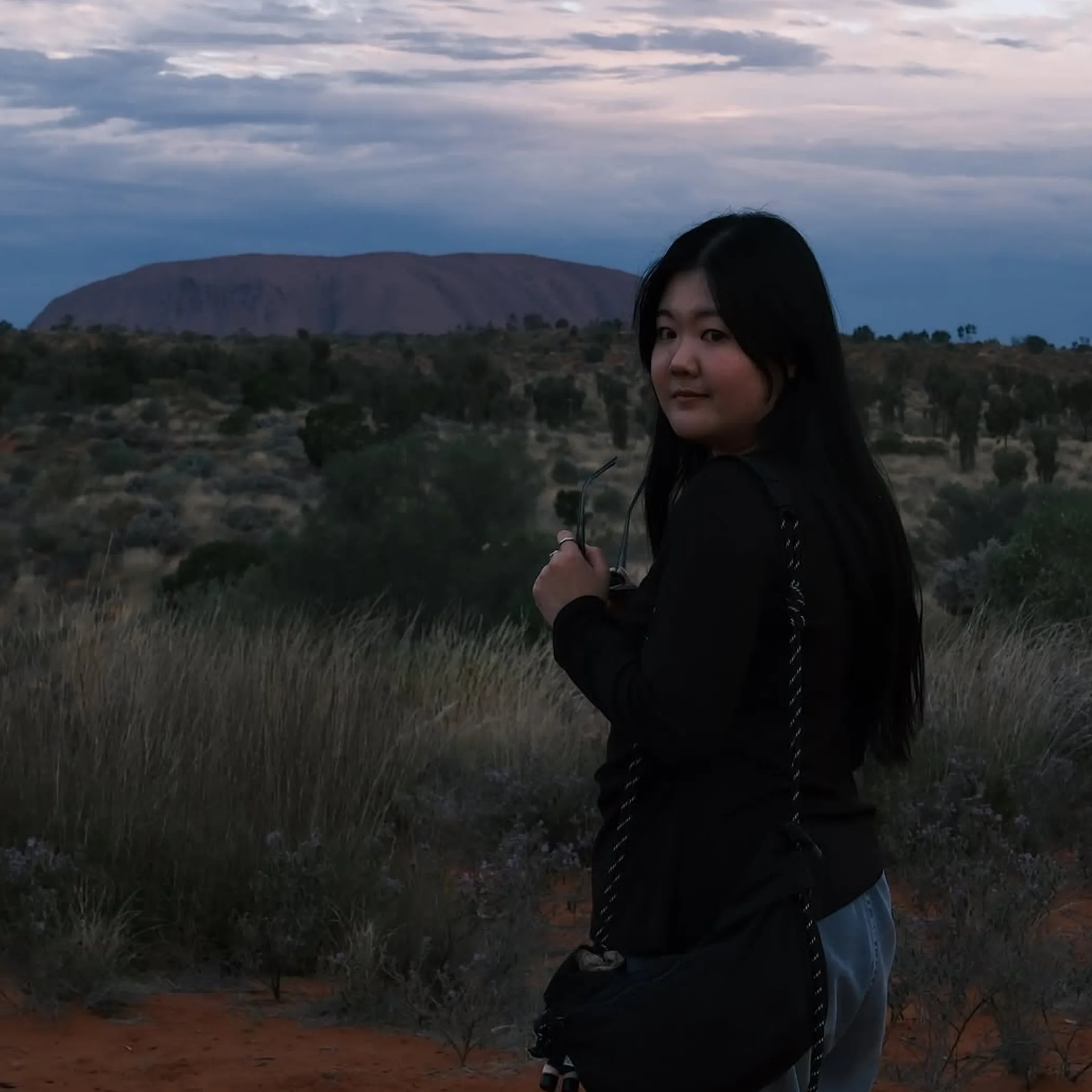
If extensive walking is the aim, May to September is the safest bet. With less stress from the heat you can put in the distance and take your time with the landscape instead of running from the sun. One does not do the Uluru base walk as one would put in a few quick laps round a suburban pond; it is an outing of some substance. Factor in the time for a sensible walking speed, to have a drink or take in the cultural interpretation and put in some photographs, and you will want to set aside a good few hours.
Walks and the Heat
It is best to be off on any major walks at the earliest opportunity. The light in the morning has a softer quality, there is a chance of more wildlife and your body will not be put to the test by the temperature. Have your sun protection on and make sure you have water to cover the distance; do not regard a full bottle as something optional.
Some of the walks at Kata Tjuta are exposed with their climbs and uneven ground and can be hard work. Those with little experience of heat or who have heart, respiratory or mobility issues would do well to take practical counsel from a tour operator or health professional before committing to the longer routes.
There is a misconception that cooler months are without risk. You can be dehydrated in winter or put out by a short walk on the map, and the desert is indifferent to any colour-coding in your itinerary.
Spring, Summer and the Shoulder Season
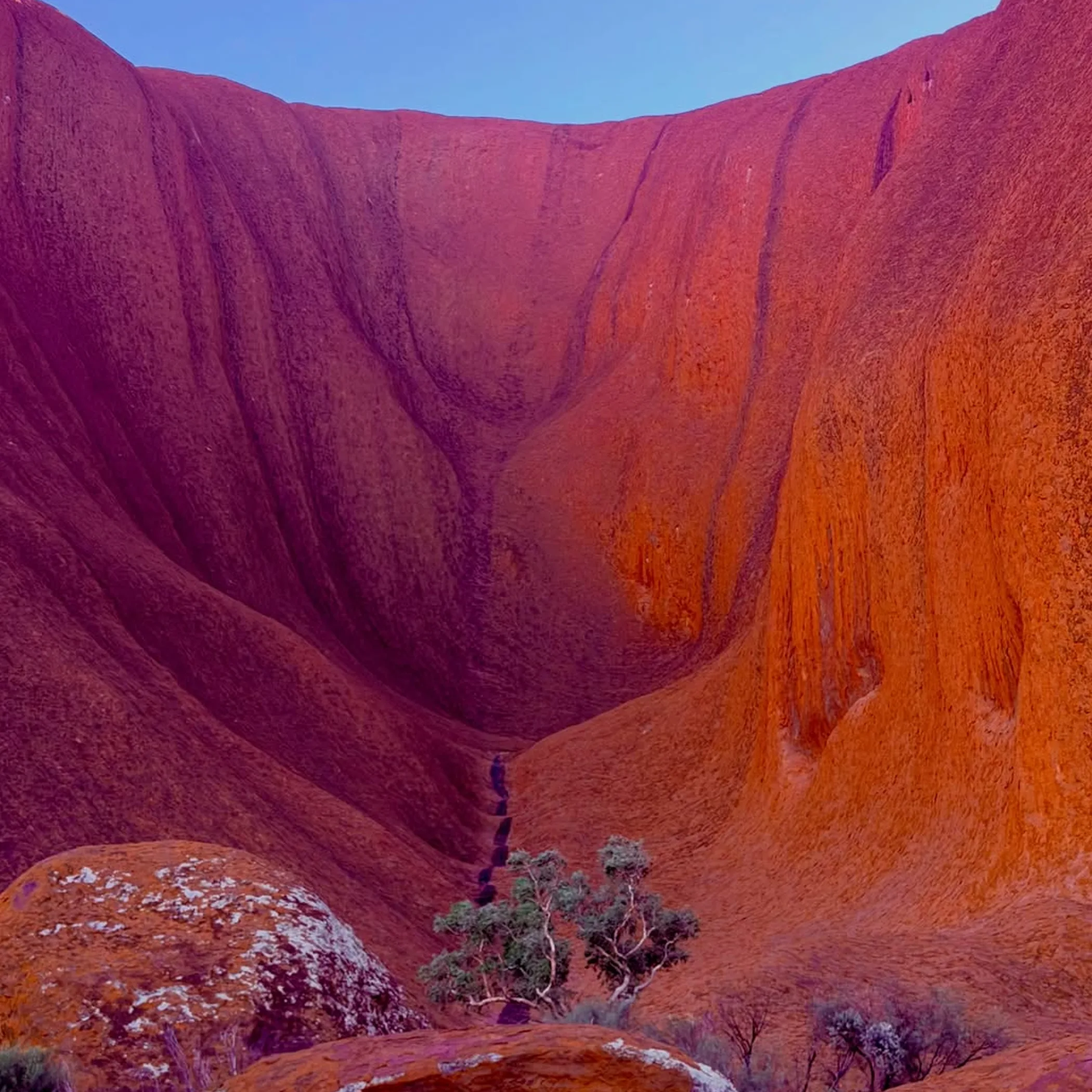
There is still much to be had outside the cool season if you prefer less demand on accommodation or quieter times. But it means being more flexible in the day and eschewing certain outdoor pursuits at midday. In summer a printed itinerary should give way to the weather. A sunrise or sunset, a short interpretive activity or a visit to the Cultural Centre is a better proposition than trying to fit in every long walk between lunch and breakfast.
To suit conditions
Put in your longest activity of the spring day early and have an indoor option in reserve. For October, a pleasant morning will not preclude a warm afternoon. In summer, keep food, electronics and medication out of the punishing heat and have water in the car.
The shoulder season is a good compromise for price and comfort but the cheapest time to be at Uluru is not necessarily the best value if the heat keeps you from what you came for. There is no point in a cheaper room when you are holed up next to an air conditioner all day.
Dealing with the Temperature
Uluru is forgiving of those who dress in layers. A cold beginning can turn into a hot walk in a matter of hours so opt for something you can easily carry and shed over a heavy jacket. On the hike, do not wait until you are thirsty to drink. Put on sunscreen and a broad-brimmed hat and sunglasses, and a fly net is a good idea where insects are a nuisance on the tracks or at the picnic areas.
A Day’s Plan
In the cool of the year a sensible day could see you out before sunrise for a rest and breakfast after, then back to it in the late afternoon. Warmer months call for the longest walk at first light and the hottest hours for a meal or the Cultural Centre.
Do not be surprised by how long it is to get from Uluru to Kata Tjuta or your accommodation and the viewing areas; the flat, straight roads of the Red Centre can be deceiving. Make allowances for slow stretches of track, the coach and toilet stops and the like.
Packing for Uluru
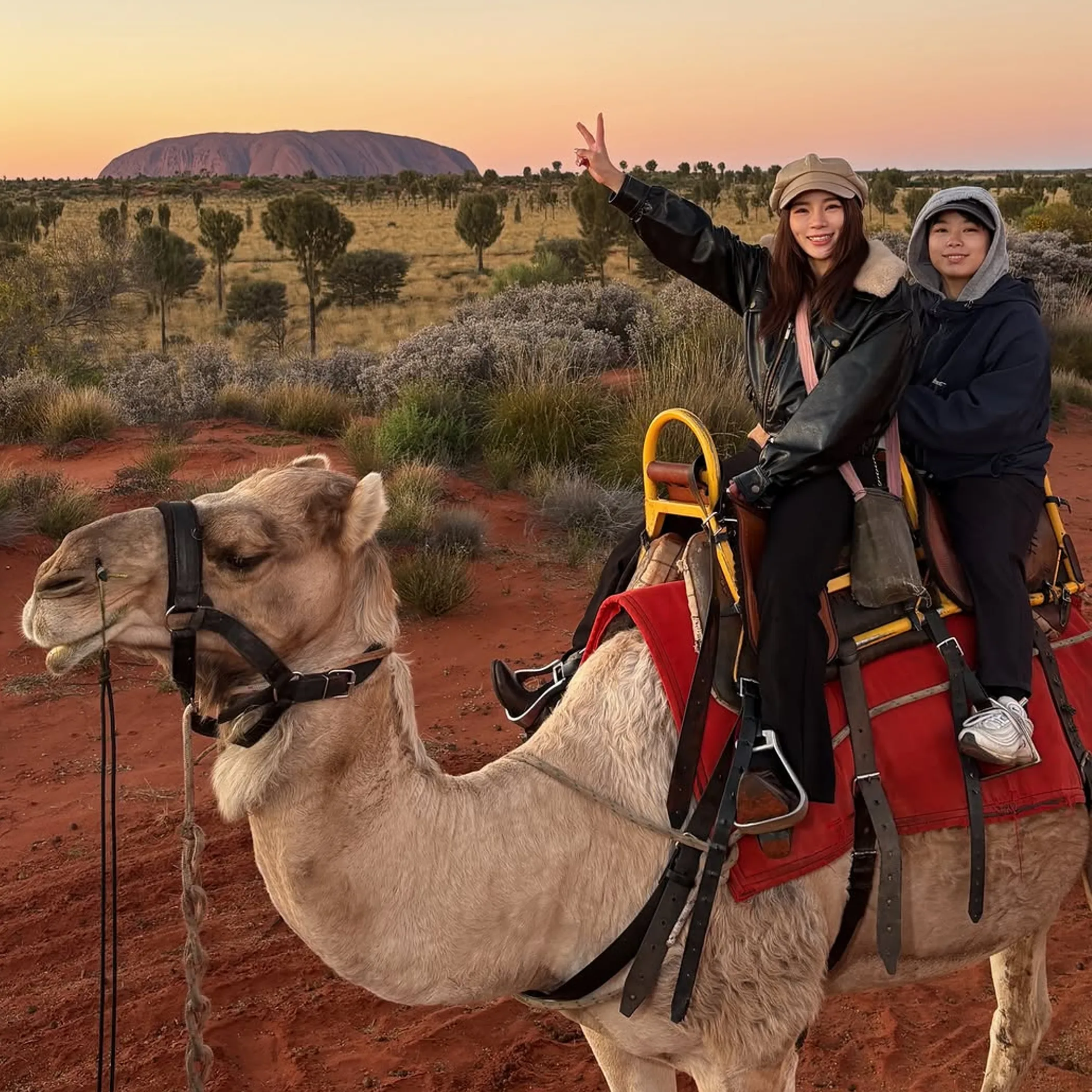
This is about having the practical basics to ward off the elements and dehydration, not a case of technical gear. Think breathable, lightweight clothing, enclosed shoes for walking, a fleece or jacket and thermal layers for a winter night. Your daypack should hold a torch, phone power bank, high-SPF sunscreen, a small first-aid kit and space for an extra layer.
- Lightweight, breathable clothing, warm thermal layers for winter nights, a fleece or jacket, enclosed walking shoes, a broad-brimmed hat, sunglasses and high-SPF sunscreen.
- A refillable bottle, hand sanitiser, tissues, a rubbish bag to pack out with and some food for an early start. If electrolytes are advised for you, take them.
- A rain layer, personal medicines and specialist snacks, particularly if you do not want to rely on the nearby shop.
Do not count on the shop at hand for everything. While Ayers Rock Resort has what you need, the freight and distance make for steeper prices than in a big city. So bring your prescription medicines and specialist snacks.
Getting Around
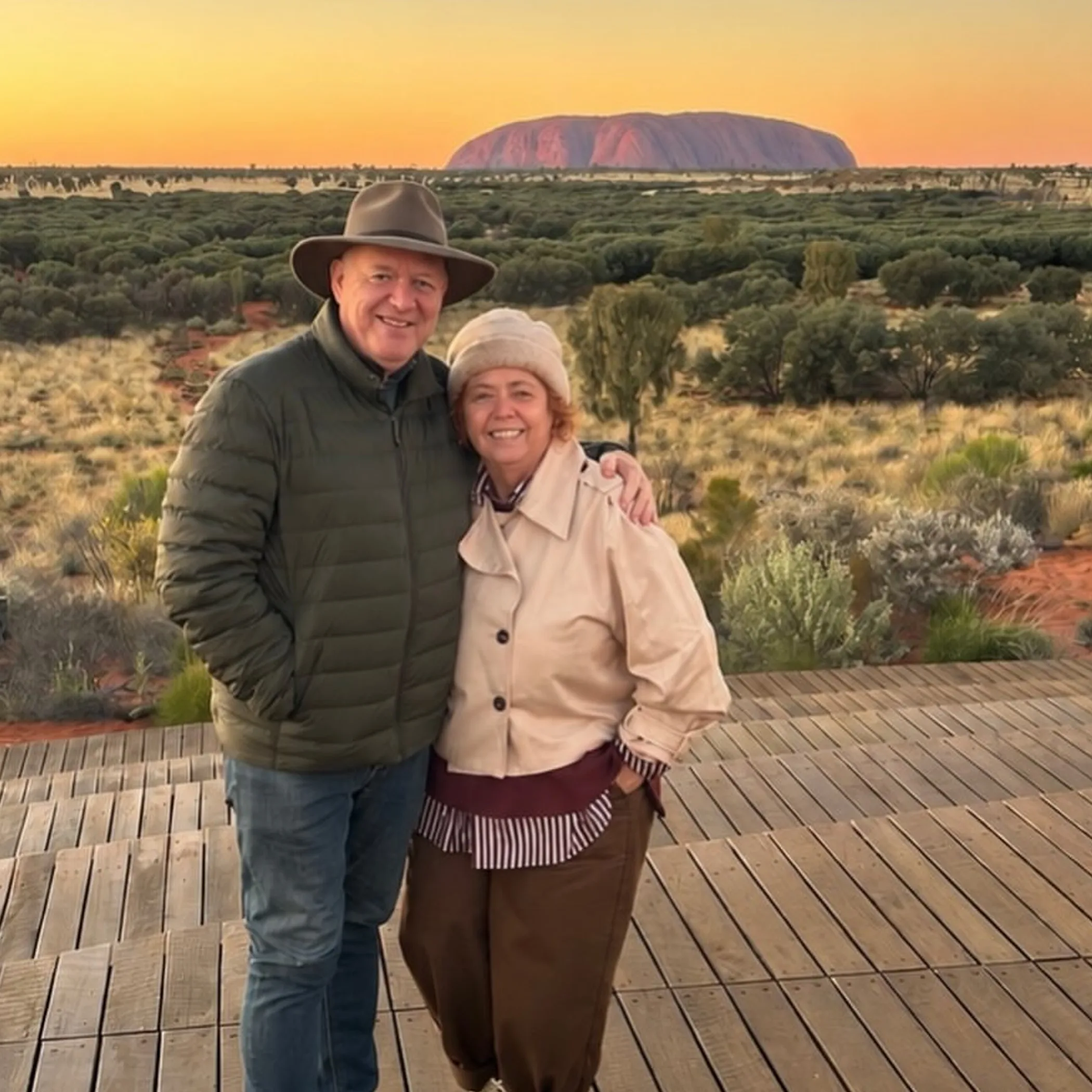
An organised tour, a drive from Alice Springs or a flight into Ayers Rock Airport will be how most arrive. The former is a long drive that calls for proper planning of fuel and rest, not something to be done on a whim after breakfast.
For those making the drive in from the south or east, put in some time to account for road trains, the state of the roads and any wildlife you may come across. The Stuart Highway is a main artery, but outback driving requires your full attention. Make sure to see to your tyres (including the spare), fuel range and means of communication before you depart a regional centre.
A Flexible Itinerary
One day calls for some hard choices: make of it what you can by putting a sunrise or sunset at the top of the list along with the Cultural Centre and a walk at either Uluru or Kata Tjuta. There is no point in trying to force all your activities into an afternoon that is too hot. Pick the walk that is in keeping with your fitness and the weather as well as your transport.
With two or three days under your belt you are in a better position to see Uluru in different light, put in a visit to Kata Tjuta at a leisurely pace and have some leeway for the weather. It takes the edge off if a tour runs over, a child is flagging or a flight is late.
When it comes to booking accommodation, airport transfers and the more sought after tours for the school holidays or between May and September, do it early. You should also look at the cancellation terms; a degree of flexibility will be of more value than a minor discount when a delayed train or a closed track upends your plans.
Safety And Cultural Respect
The Aṉangu Traditional Owners hold Uluṟu-Kata Tjuṯa National Park in cultural significance. Be respectful of that: observe the signs, keep to marked tracks and leave restricted areas and any cultural activities to their own quiet. As for the climbing closure, it is not something to be challenged or inquired about with staff.
Parks Australia’s official visitor information for Uluru is where one goes for access guidance and to know what is expected of a visitor. Read their current alerts prior to your trip.
On Track
There are snakes in the region though most will not be seen. Do not get close to photograph, chase or handle an animal. Watch your step and hands, leave wildlife be and afford a snake its space.
Have water with you and let someone know your destination. Should you become dizzy, weak or nauseated, stop and get into the shade and some assistance. Heat illness is no contest.
It is easy to think the park is consequence free because of its quietness, but the ground is uneven, there is little shade and mobile service can be wanting; sensible preparation is what affords you freedom.
Uluru: Some Frequently Asked Questions
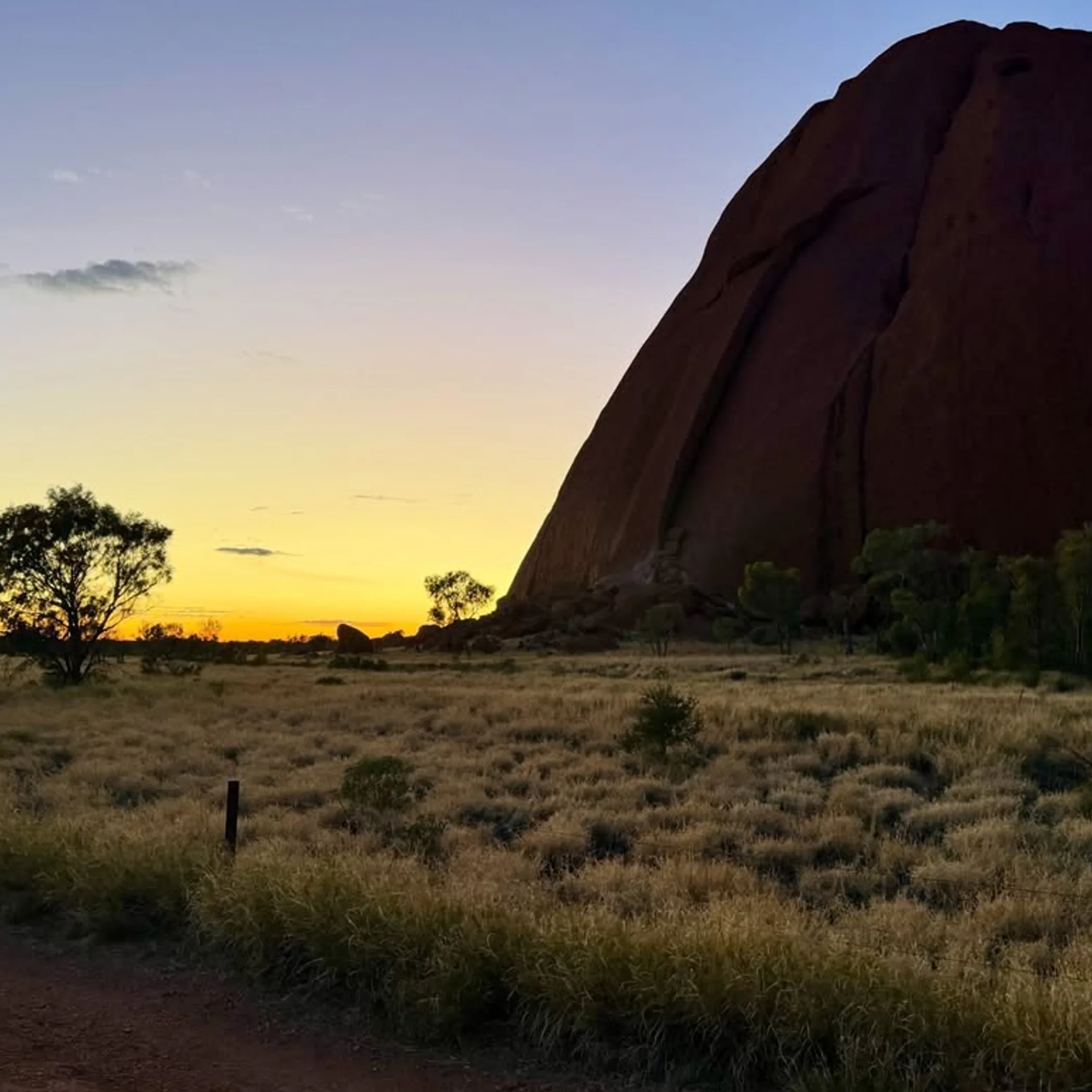
Here are answers to the sort of things travellers ask in the course of putting together a Red Centre itinerary. Prices and access are subject to change so verify with the authorities near the time you go.
How Many Days?
Two is sufficient for a first time around, three for a more unhurried affair with the weather. One day will do if the flights and transfers are in order, but you will have to be selective about your walks and viewpoints.
The Best Month
July is a good all rounder for the hiking and the temperatures, albeit a popular one. Then again, you can have as good an experience in May, June, August or September with the odd variation in the crowds and heat.
What Of April?
It is fine for a visit to Uluru if one does not want the winter cold. Afternoons will be warmer than mid-winter, but check the forecast before you set out on anything long and start your walks in good time.
Packing List
Sturdy shoes, sun protection in the form of a hat, sunglasses and sunscreen, warm layers and something breathable. Put in your personal medication and a first-aid kit. If your dates or tastes warrant it, take a rain layer and fly net.
Plenty of Snakes?
They are there around Uluru but not typically what visitors are concerned with. Avoid the tall grass and stay on the path. Walkers are more apt to run into problems with the sun and dehydration.
Making the Season Work
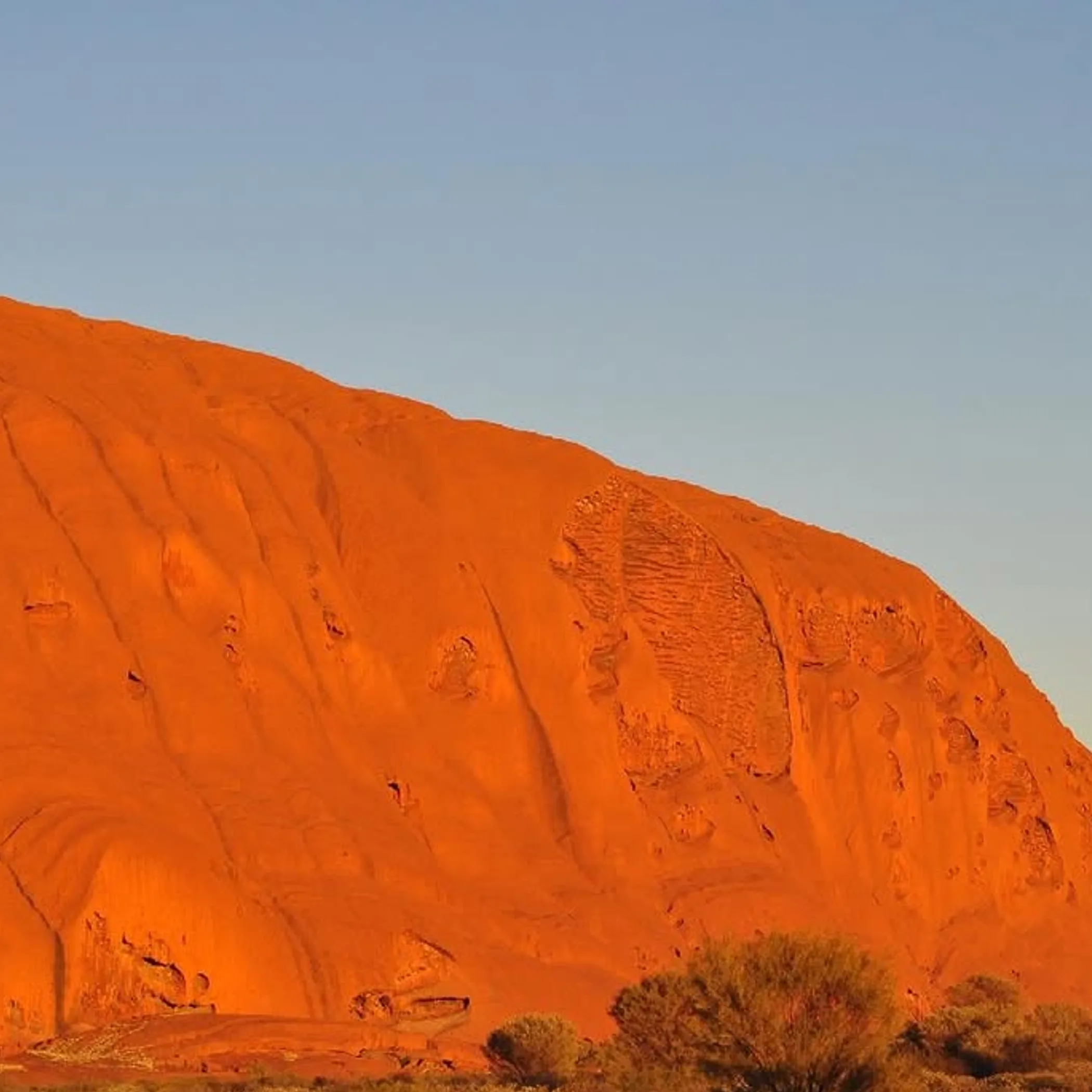
Prepared travellers will find April and October are reasonable shoulder season options, but for 2026 the month of May through to September is generally best for Uluru Australia. Reserve the cool season for the longer walks and only venture in summer if you can deal with the heat and plan accordingly.
My advice is to not over plan. Pack for the cold of the morning and the heat of the afternoon, have your water, be mindful of Aṉangu culture and park alerts and give yourself the time to take in the finer points. That is the truth of it: the season is an aid but it is the preparation that makes the trip.
