For an unassuming yet thorough means of gauging the harm done by hail, high winds or a downpour, this is the Post-Storm Roof Inspection Checklist Australia. It is designed for the homeowner who wants to be safe about it. Do not put in an appearance on a wet roof; from the ground, note any water ingress or other damage and make arrangements with a pro.
Matthew Vale here from the Sunshine Coast. One does not have to wait long for a summer storm to turn a pleasant drizzle into rain that comes at you sideways. The point is plain: there is no need for a heroic effort on your roof, particularly with slippery tiles, a wayward branch or power lines in the vicinity. Binoculars will do the job without the drama of a ladder.
Act in the Aftermath
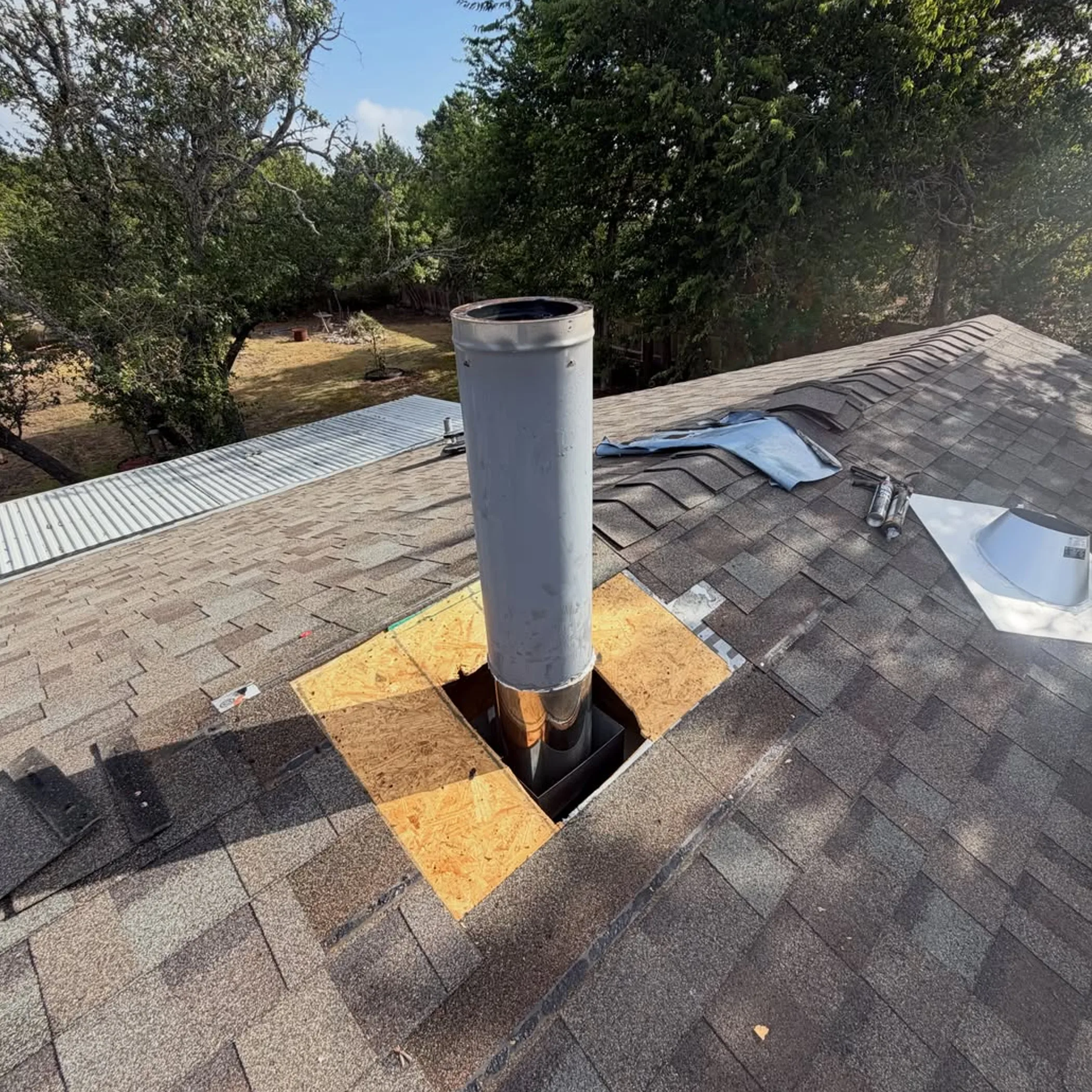
Any sensible post-storm inspection in Australia has to start with letting the danger subside. Heed the weather warnings, give fallen power lines and any flood or structural instability a wide berth. For routine maintenance, consider the optimal roof cleaning seasons.
Make a record of the storm, its timing and what it put you through – be it lightning, flying debris or hard rain. A roofer will want to know the likely source of the trouble and it is good to have for insurance purposes down the track.
Make sure the area is secure
Children and pets should be kept from the roofline and gutters as well as any debris. Broken sheet-metal, nails and branches are injurious and there could be water near electrical work. Should water be coming in, set some buckets to catch it and clear the furniture from damp spots. Leave wet outlets and appliances alone; a licensed electrician is the one to call if they have been compromised.
There is no sense in trying an emergency repair in poor visibility or wind. And while plastic sheeting can be a quick fix, put it in the hands of a professional for urgent weatherproofing, as a misfit piece can become a hazard.
From the Ground Up
You can find plenty of trouble without going up on the roof. Make a slow circuit of the property in daylight with your binoculars on the ridge lines, vents and valleys.
Note anything new since the storm. What looks like a small matter, a bit of roof grit or a tile out of place, can let the next shower into your ceilings and rafters.
Exterior Sweep
Here is what to put under the glass:
- Tiles that are cracked, missing or not in line.
- Any denting on metal roofs, loose fasteners, lifted edges and sealants in bad shape.
- Ridge capping that is broken or has loose mortar.
- Debris of all kinds, including nests and leaves, on the roof or in the valleys.
- Gutters that have given way or are full of storm detritus, and downpipes that are blocked or discharging against the wall.
- Fascia, eaves, chimneys, skylights and soffits for damage.
Do not be taken in by a flat, tidy looking roof. Hail can leave dents and fractures that only show on close examination, and the wind can lift materials without making a hole of it.
Tiles, Capping and Sheets

The type of material will dictate how the damage shows itself. Metal may seem fine from below but be dented or have its coating compromised. On a steep or fragile roof, or one that is hard to get to, I would defer to a qualified roofer for this stage. Under no circumstances walk on metal sheeting unless you have been trained and are sure of the surface.
Spot Common Roof Surface Damage
With tiled roofs you will see the odd break or slip, and fractured capping. Valleys and the space under large trees tend to take the brunt of runoff and branches. If the mortar around the capping is loose the wind has been at the protective joints. Resist the urge to put a tile back from a ladder; it could be holding up another and your efforts will result in a collapse. As for metal, check for any distortion of the flashing or exposed fasteners. You will find hail damage in the form of shallow dents that are repeated over wide areas. Wind has a way of leaving its mark too, with lifted laps, sealant that is torn or sheets not sitting flush as they should.
It is a common error to confine one’s inspection to the middle of the roof. The broad central expanse can seem quite sound while water makes its way in at a compromised flashing joint; the ridges, penetrations and edges are for the most part more susceptible.
Inspect Edges, Gutters And Eaves
The roof covering may be in good order but a faulty drainage system can still present problems by not doing its job of carrying stormwater off the building. From the ground have a look at the fascia, soffits, downpipes and gutters and see if there is any overflow on the paving or walls.
Valleys and downpipes can be clogged with storm debris in no time. In coastal Queensland it is not long before leaves, seed pods and the like have put in an appearance, and a tropical storm of any intensity will make short work of even a clean system.
Follow The Water’s Path
Fresh staining under the gutters, bent sections, separated joints and water marks on the fascia are all to be noted. Make sure the downpipes are connected and directing stormwater clear of the foundations.
Any flashing at the junctions of wall and roof, or around vents, skylights and chimneys must be secure; nothing lifted, buckled or torn away from adjoining material.
On the eaves and soffits watch for discolouration, dampness, sagging or cracks. A soffit that is loose is an invitation for trouble when the wind picks up again, and one that is damaged could mean water is being held in.
One should not be cleaning out gutters with a wet roof or unstable debris overhead. Leave the ladder work to a professional. The roof is not going anywhere and a fall is something to be avoided.
Look For Leaks Inside
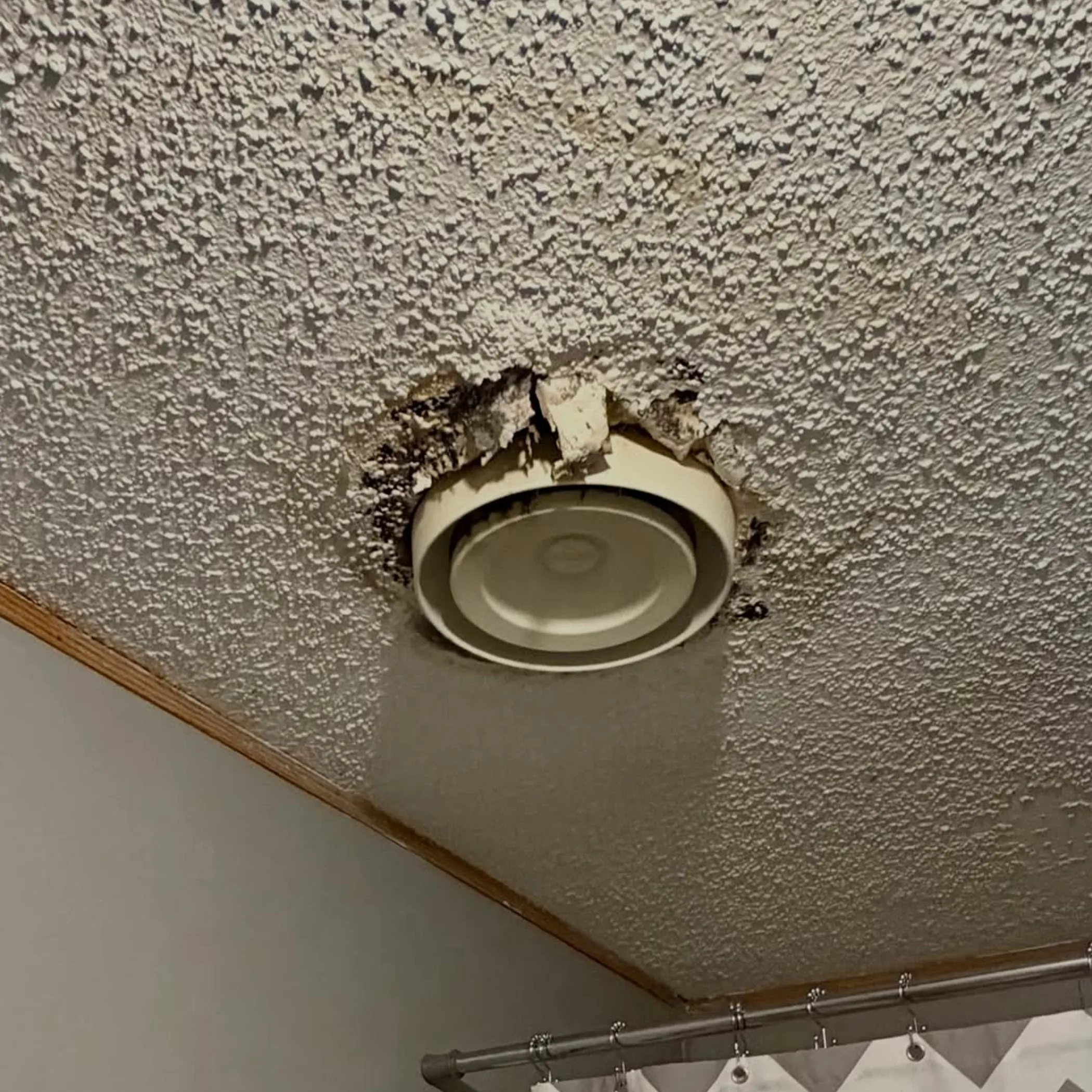
After a heavy rain some of the best evidence of roof damage will be within the home. Do not limit yourself to the room under where you can see the problem, water has a habit of running along the insulation and rafters to show up elsewhere.
Ceilings, upper cupboards, the attic and walls should be examined. Put a camera to any new mark before you put paint or a cloth to it.
Trace Interior Warning Signs
Bubbling paint, a musty smell, peeling plaster, damp patches and swollen timber are telltale signs of a leak. See if there is water about the skylights, chimneys or ceiling penetrations.
An accessible roof space is best approached with a torch and from firm structural ground. One does not want to be stepping on plasterboard or between rafters. There you might come across darkened timber, fresh drips or wet insulation.
Do not be casual with wet insulation, especially if it is in any way contaminated or damaged; get professional input before taking it out. You can ventilate if it is safe but keep electrical fans well clear of water.
I have found the delay to be the surprise. Hours after the rain has stopped a damp patch will emerge as the water works its way through the insulation. If you think there is ingress, check back later in the day and once more after the next rain.
Match Checks To Australian Climates
There is no single storm issue for a roof in Australia. The subtropical parts of Brisbane and beyond contend with tropical storms and hard rain; Melbourne, Canberra and the south have their winter winds and the odd hail. Perth’s Mediterranean climate is dry in summer but the winter fronts can be damaging, and Sydney gets its share of coastal wind and hail.
What you put first will depend on the climate. What is set out in the table below is a practical guide but no replacement for an assessment on site.
| Climate Or Location | Prioritise After A Storm | Extra Warning |
|---|---|---|
| Brisbane and subtropical Queensland | Tropical storm debris, mould-prone damp spots, valleys, downpipes and gutters. | Blocked drainage will be laid bare by heavy rain. |
| Sydney and coastal New South Wales | Any tree impact, hail, flashing, skylights and tiles the wind has got at. | Metal components can corrode faster in the salt air. |
| Canberra and inland southern regions | Moisture in the roof space, ridge capping, hail and cracked tiles. | Frost will open up old cracks and loosen things with time. |
| Melbourne and temperate areas | Chimneys, mortar, blocked gutters and leaking valleys from the winter wind. | Slow leaks are easy to miss in persistent wet weather. |
| Perth and Mediterranean climate | Debris and the state of the gutters, metal roofing and flashing post winter front. | Small defects can be overlooked after a long dry spell. |
For information on severe weather and current warnings the Bureau of Meteorology is the place to go. Consult the official forecasts and Australian weather warnings prior to any outdoor inspection.
Know When To Call A Professional
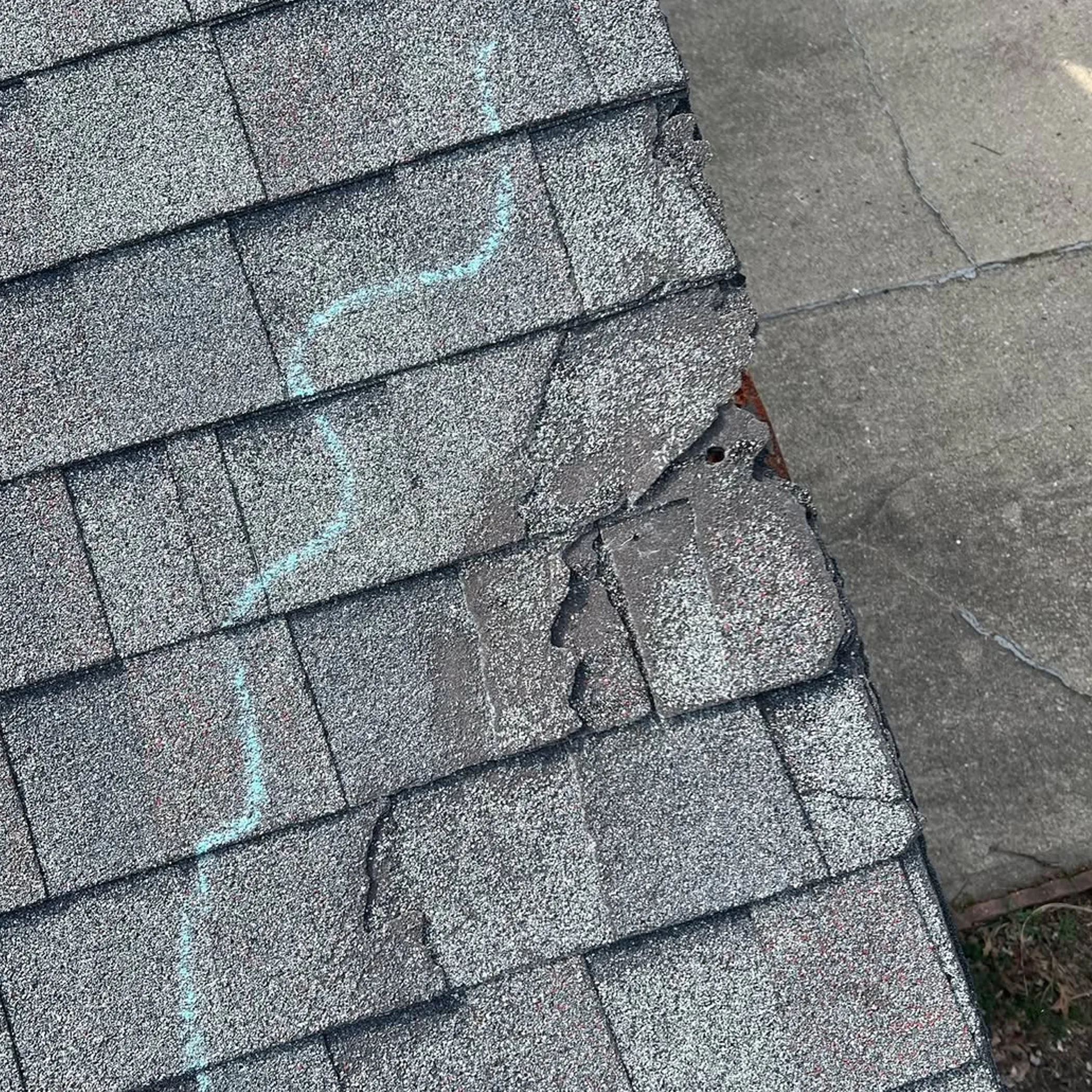
There are times when a professional roof inspection is in order: if the roof has active leaks, structural movement or damaged flashing; where you spot missing materials, branches on top of it or hail damage in abundance. Then there are roofs that are by nature steep, high up, wet, fragile or hard to get to, in which case enlisting an expert is the sensible thing to do.
What a professional can put his eye on from up there is concealed damage you would not see from the ground. The scope of an inspection will be to examine any signs of water ingress and look over the roof timbers, drainage, coverings, fixings, valleys, ridge capping and so forth.
A Clear Decision Test
If a large tree has come down on the building, the roofline is no longer as it should be, the ceiling is bulging or water is coming in, put in a call to a roofer without delay. A bulging ceiling is to be treated with urgency since the weight of trapped water can lead to a sudden failure.
Do not put off repairs on account of the weather breaking. A day or two of dry conditions is no indication the damage has ceased, and it is less disruptive to have them done before the next heavy rain.
Where the problem is minor, have the roofer set out what needs to be done at once, why it is happening and what maintenance will be required down the line. Any contractor worth his salt will know the difference between optional maintenance for an Australian homeowner and weatherproofing that is a priority.
Record Damage For Repairs
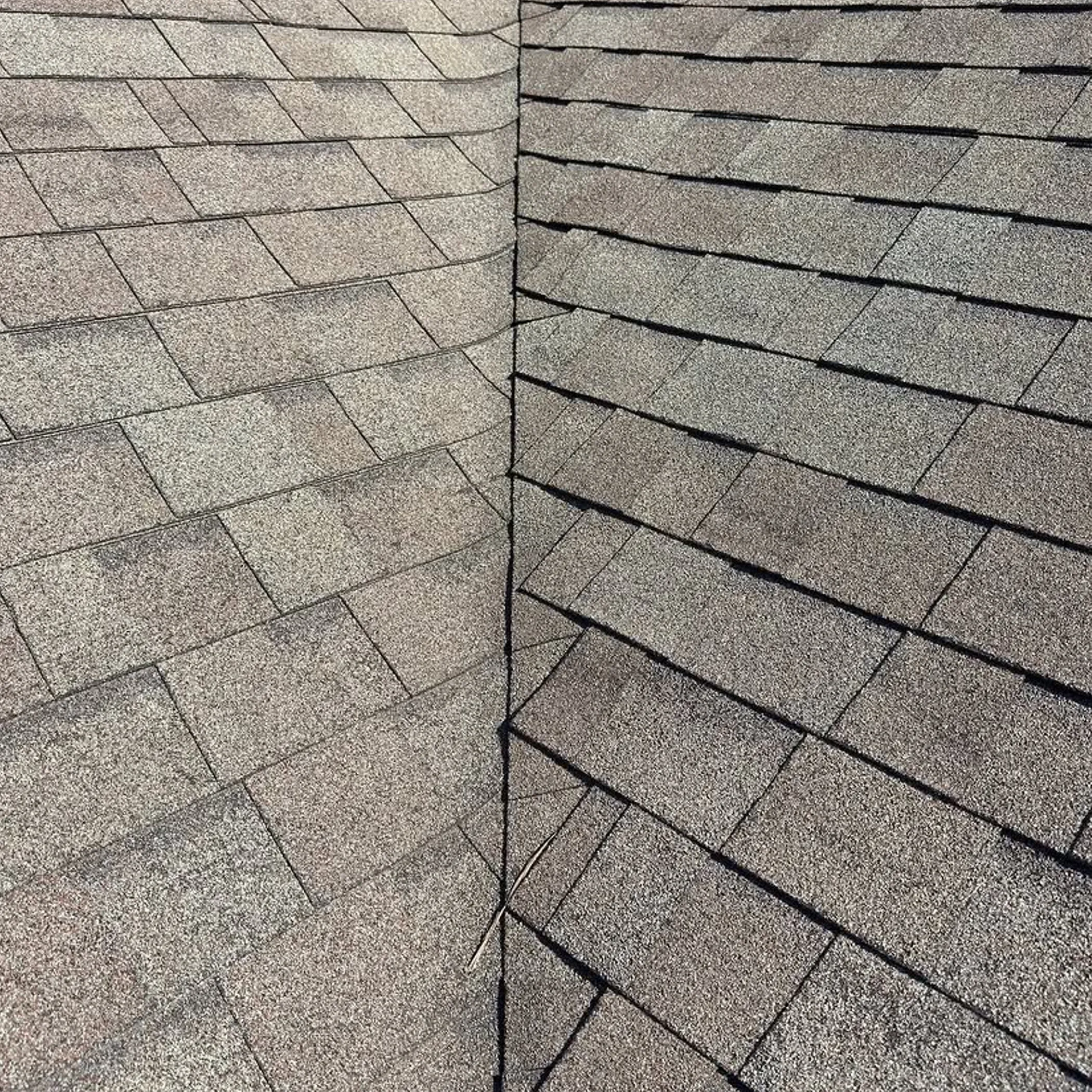
To make explaining matters and organising repairs a little simpler, keep good records. Put your camera to use and photograph the property from different vantage points; get in close on any dented metal roofing, debris, cracked tiles, interior marks or a wayward branch. If it is safe to do so, place a ruler next to some hailstones or a tape measure on the ground for scale. Note the location of each issue, the size of the hail in millimetres, wind direction and when the rain came. But do not put yourself in harm’s way for a better shot.
Hold on to quotes, invoices, reports and correspondence with your contractors. Get written descriptions of temporary work and materials. Should insurance be in the picture, adhere to their instructions and do not authorise permanent repairs of your own making beyond what is necessary to stem further damage.
It is a good practice to have a pre-storm record on file. After routine maintenance a photo of the exterior, roof and gutters is useful, in storm country especially. You will find new damage easier to put your finger on with a before and after to compare.
Your One-Day Check
When time is short, concentrate on the obvious: safety, any movement on the exterior and where water is entering. There is no need to go over every square centimetre to come to a sound conclusion.
- See that official warnings have been heeded and the bad weather is behind you.
- Have a look inside at the walls, ceilings and any part of the roof space you can reach for active leaks.
- With binoculars in hand walk the perimeter of the property and put visible damage on film.
- From the ground check the edges of the roof, the fascia, soffits, downpipes and gutters.
- Should you note water ingress, structural issues or missing pieces, have a professional attend to it.
Let the qualified men handle the climbing, the sheet and tile work, electrical matters and unstable debris. Roof safety is not a matter of courage and the fellow who claims he can put anything right with a ladder and sealant is not the bargain he seems.
Cleaning And Maintenance
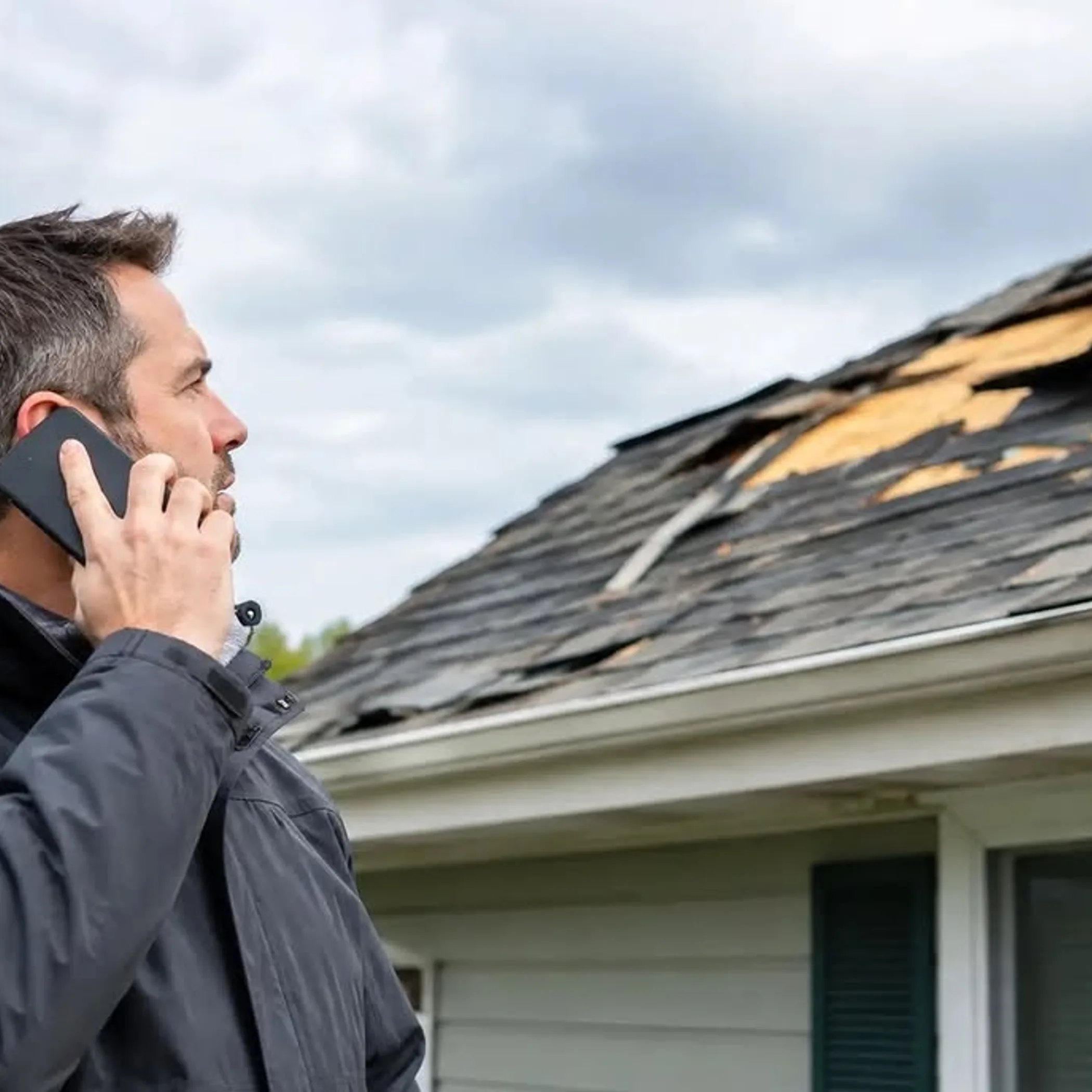
You might think of storm inspection and cleaning as one and the same but they are not. Do not remove debris unless you can do so from the ground or leave it to a contractor; get the storm damage mended first.
Depending on access and the state of the roof, the best time to clean will vary with the local climate. An immediate post-storm cleaning could dislodge a tile or move about the debris, so let the inspection precede the maintenance and confirm the roof is safe.
In the run up to winter storms or the cyclone season a regular check will turn up loose material. Have the gutters cleared, trim back trees as you can and have small faults put right before they become an interior problem.
Frequently Asked Questions
Can I Inspect My Roof After Heavy Rain?
You can, provided you do so from the ground and the surfaces are still wet. Binoculars will do, as will a check of the rooms inside. Let the roof dry before you have a professional up there. Walking on wet metal or tiles is not to be done.
How Do I Know If Hail Damaged My Roof?
Marks on the outdoor fittings and gutters, broken ridge capping, chipped tiles or dents in the metal are tell-tale signs. From the ground it is hard to be sure of hail impact so book an inspection if you have reason to think it has occurred.
Is A Small Ceiling Stain Serious?
Possibly. It may be a slow leak but the water can make its way through the timber and insulation before you see it indoors. Make a note of it with a photograph and if it is new or getting worse after a rain, speak to a pro.
Should I Move Slipped Tiles Myself?
No. You risk a fall and more breakage from a ladder. A roofer is the one to determine if the underlay, battens or the tile itself is the issue.
Do I Need A Professional Inspection If There Is No Leak?
Not of necessity, but after severe wind or hail, or if you have seen the roof move, it is prudent to have an opinion. Some of the effects of a storm will not show until it rains again.
A Safe Roof Check To End On
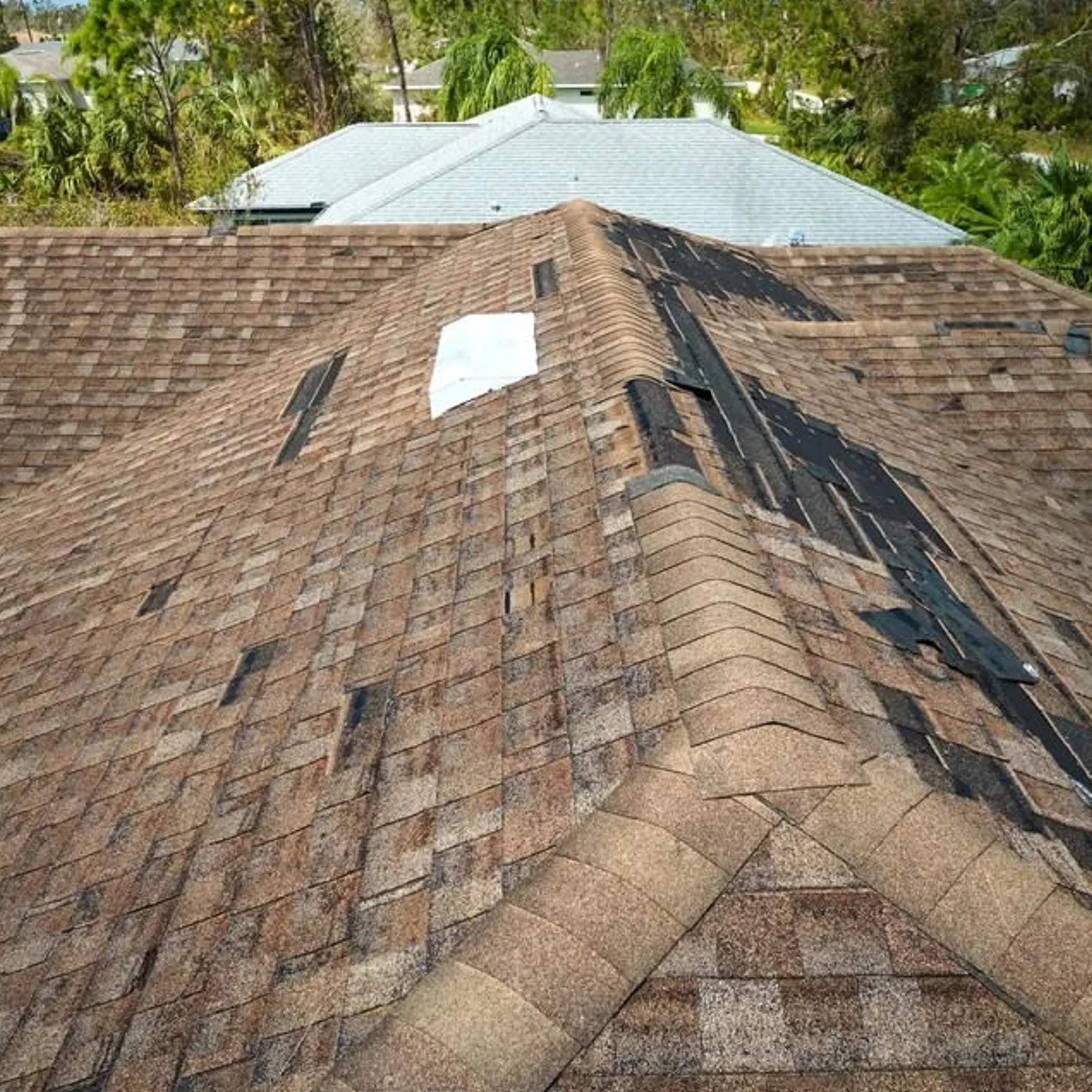
An inspection checklist for the Australian homeowner after a storm should be methodical, beginning at ground level and then going in. Document the evidence of any water ingress, leak signs, drainage or damaged materials.
If the damage is plain to see or it is not safe to get at it, make arrangements for an inspection. A few minutes with a camera and binoculars and a level head will save you a considerable repair bill and ensure you are safely off the roof to await the experts.
