One could say autumn is the preferred season for roof maintenance in Australia, with spring not far behind. The milder temperatures and more congenial working conditions of March to May and September to November put a welcome space between the major weather risks for many a home. It is an ideal time for anything from an inspection or some gutter work to minor repairs, restoration and, if need be, planning a replacement.
I am Matthew Vale of the Sunshine Coast. Out here a roof has to contend with salt air, high humidity, heavy rain and now and then a cyclone warning in the course of a few months. There is no need to be waiting for water to come through the ceiling. The roof will have put in several quiet warnings before that point and they are likely to have been overlooked.
Why Autumn And Spring Are To Be Preferred
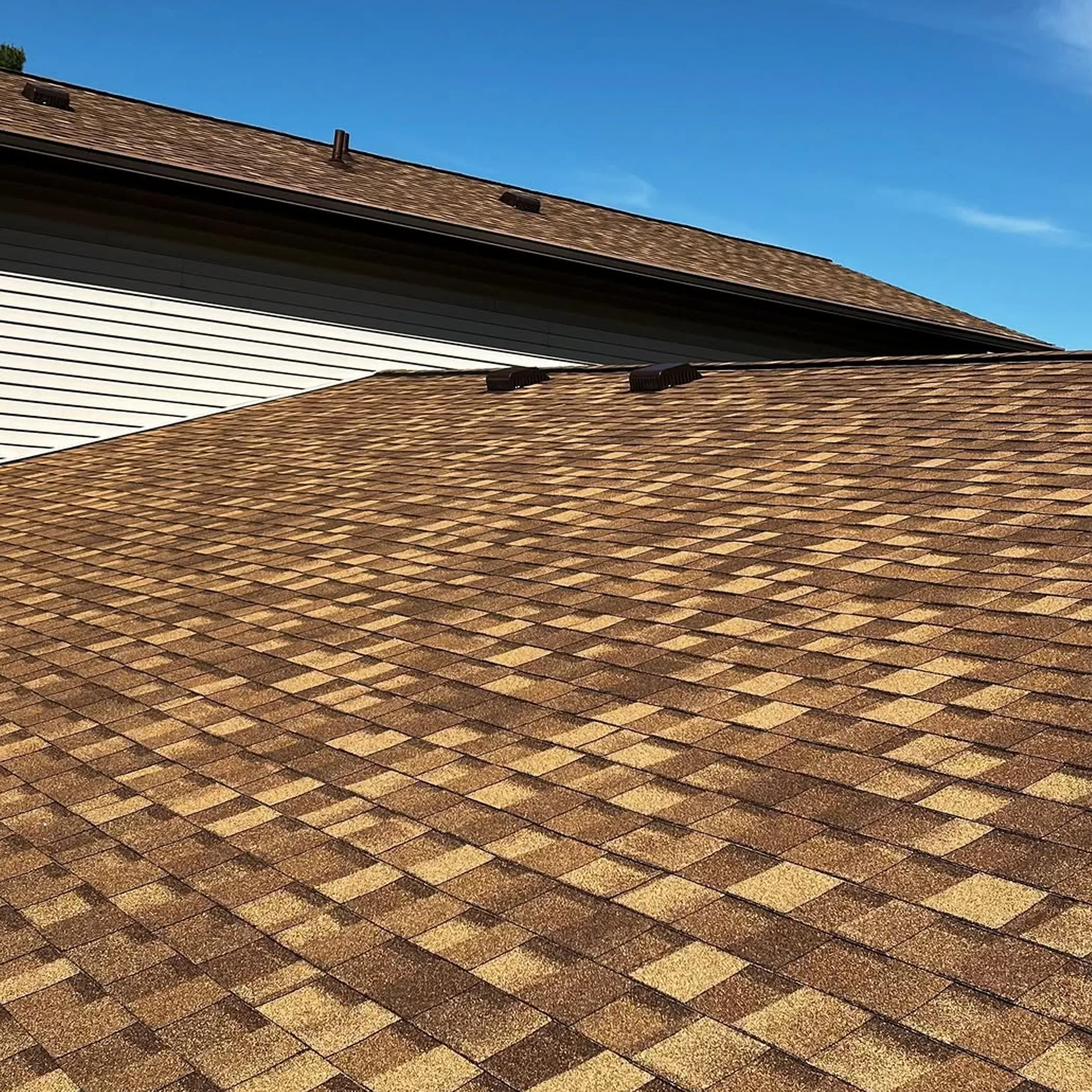
Homeowners will find the right mix of early warning and weather that is easy to work with in these seasons by following seasonal roof cleaning strategies. Autumn is when to put right any storm damage and clear leaves ahead of the winter rains; spring will show you what winter has done and put the roof in order for the summer heat and bushfire season.
But do not expect them to be the same all over the country. Sydney, Adelaide and Melbourne tend to have drier, cooler days in autumn and spring. You have to be more mindful of the wet season and cyclones in Brisbane, Queensland and the Northern Territory. Then there is Perth and its own way of doing things, where the dry of summer and the wet of winter dictate the maintenance window.
Autumn as a defence against winter
After the summer storms, an autumn inspection can be invaluable. A strong wind may have dislodged a tile or a section of flashing without so much as an indoor leak to show for it. Get those small faults sorted before the winter rainfall has a chance to make a stain on the ceiling or ruin your insulation.
Gutter cleaning is sensible in the March to May period. Seed pods and the like will clog downpipes and leave moisture on the roof edges if left to it. People will look at the roof and let the gutters be, rather like checking the billy and not the water.
Getting ready for summer in spring
Between September and November homeowners can spot any blocked drainage or sealants on the way out, and apply a coating or paint so long as the surface is dry and you are in line with the manufacturer’s weather stipulations.
It is not all plain sailing in the north though. Cyclone alerts in northern Queensland or the Northern Territory can start from November and the wet season comes and goes as it pleases depending on where you are. Have a word with the Bureau of Meteorology’s climate information prior to making arrangements.
Autumn Roof Maintenance Checklist
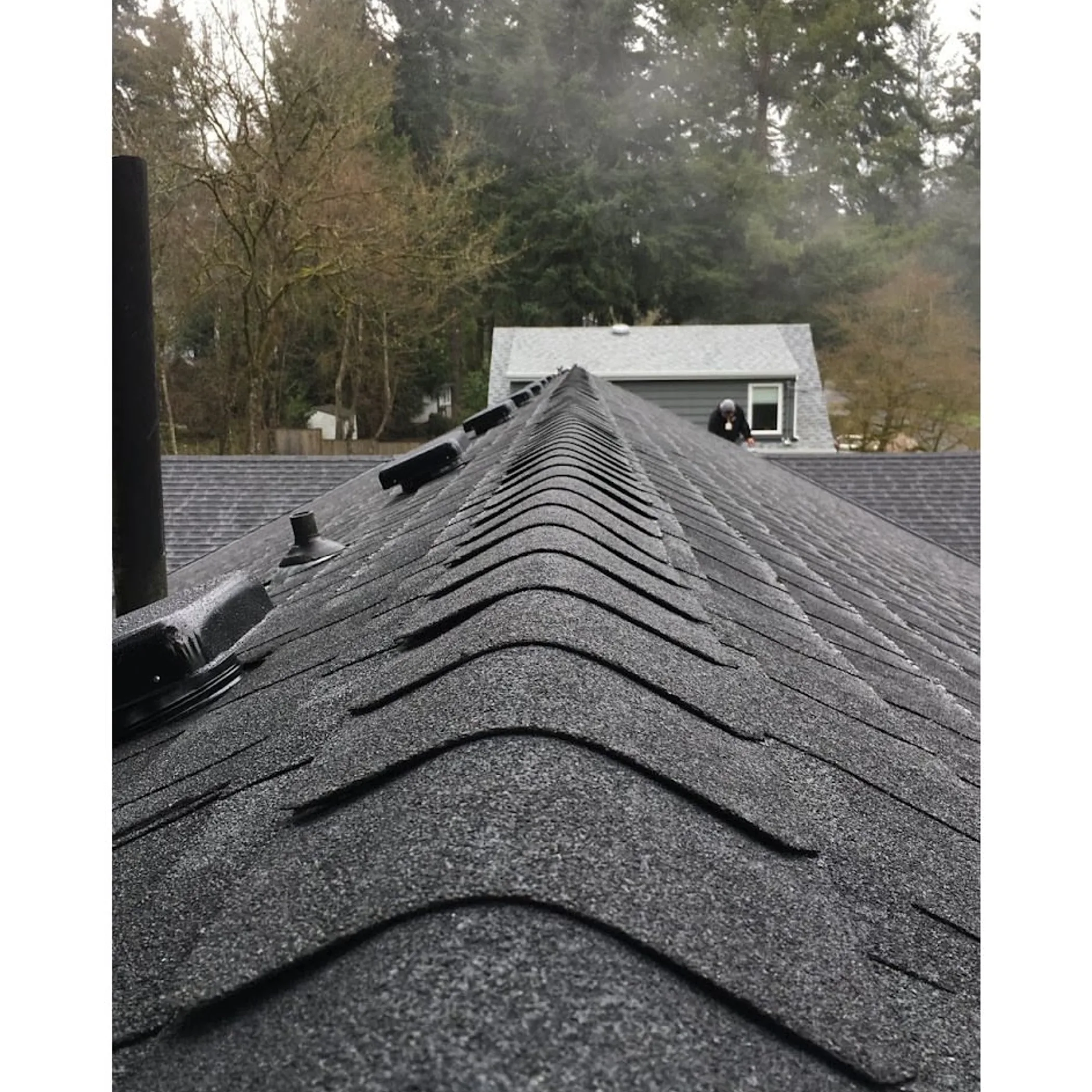
Make your small repairs and put away the mess of summer before it gets cold and wet. An inspection is warranted after hail or fallen branches have been put up with by the roof, to stave off a bigger bill in the future.
Case in point: I put down a few stray leaves in the gutter of our home on the Sunshine Coast when we moved in as being of no consequence. One hard downpour had other ideas and the corner overflowed next to the back door. Finn the Border Collie was not having any of that indoor waterfall.
A word on inspections
Check for rust, daylight in places it should not be, damp odours in the voids or ceilings and any gaps about the vents. Do not be walking on the roof yourself unless you have the training and gear for it; a steep pitch and a wet tile are a recipe for a bad fall. Leave the structural or electrical hazards around a solar system to a licensed man.
Clearing the gutters
See that the downpipes are free of silt and debris and putting the water well away from the building. Should you see pooling near the foundations the trouble is probably with the drainage.
For a one storey with good access a professional will have the gutters done in a visit. With a large home or difficult block there is more to plan. Put the outdoor furniture inside, open the gates and see that the children and pets are not in the way.
Spring Roof Maintenance Checklist
The season to get on top of any winter damage and brace for the movement and higher temperatures to come. One can make a case for this being the time to put repair and restoration quotes side by side, before the roofers’ diaries are full.
Do not be one of those who consider a new layer of paint to be a proper repair. While a coating will give the roof better looks and some surface protection, it is no substitute for mending broken tiles or dealing with structural movement and failed flashing.
Leaks And Sealants
Give the sealants an eye around the chimneys, vents, skylights and any other penetrations in the valleys. They have a way of cracking or parting as they age and the temperature shifts. One would be wise to find out what is causing any movement before putting in new sealant; otherwise the issue is merely put off. After a rain, have a look in the roof space if you can do so safely. The stain on the ceiling is not necessarily over where the water has entered, it can run along the timber first.
Painting And Restoration
For painting the roof one wants mild temperatures and a stretch of dry weather free from humidity. In the south spring is fine, but up north autumn may prove more dependable once the wet season is upon you.
Restoration is more than a coat of paint: there is cleaning, repointing, rebedding, tile replacement and rust to attend to. Make sure the quote is inclusive of preparation, waste disposal, access equipment and an inspection to follow. The lowest price can be rough going when the omissions are pointed out.
Roof Care In Different Parts Of Australia

There is no single maintenance calendar for the whole of Australia. It is a matter of local building conditions and the like, be it wind, salt, bushfire risk or the roof type in question. A terrace in Melbourne and a roof in coastal Queensland are under the same sky but present very different challenges. Use the guide below and then modify it to suit your area.
| Region | Maintenance Window | What To Check |
|---|---|---|
| Sydney | Autumn and spring | Salt exposure (coastal), wind damage, blocked gutters and rainfall |
| Melbourne | Late spring to early autumn | Moss, cracked tiles, winter water entry and the odd change in weather |
| Adelaide | Spring and autumn | Dust, wind, dry-weather cracking and old sealants |
| Brisbane and Queensland | Autumn or ahead of the wet season | Cyclones, hail, intense rain, mould and humidity |
| Perth | Late summer through to early autumn | Winter gutter overflow, wind, heat stress and dryness |
| Northern Territory | Dry season, as local conditions allow | Storm debris, cyclones, humidity and wet season rain |
Wet Season And Cyclone Zones
Where possible in the Top End or Queensland, leave the major work to the dry season. Do not attempt repairs in the face of a cyclone alert or unsafe winds. Should a storm system put in an appearance, heed local emergency advice and put away anything loose outside.
In the Pilbara or Red Centre midday heat can render the roof unsafe. Get in early for an inspection and have plenty of water. Out on the Stuart Highway or Gibb River Road one does not take roof work lightly; see that you have the right help and materials put in order before heading to a remote property.
Bushfire And Coastal
The salt air will hasten corrosion of metal fixings and flashings. Homeowners on the coast should be washing off deposits and checking exposed metal at regular intervals, but read the instructions on the products as too vigorous an approach can harm the coatings.
With bushfire season comes the need to clear combustible debris and leaves from the gutters. This will not make a place impervious to fire but it eliminates some of the hazards. Your state fire authority will have its own counsel, and no amount of roof maintenance is an excuse to put off evacuation.
Timing Repairs In Summer And Winter
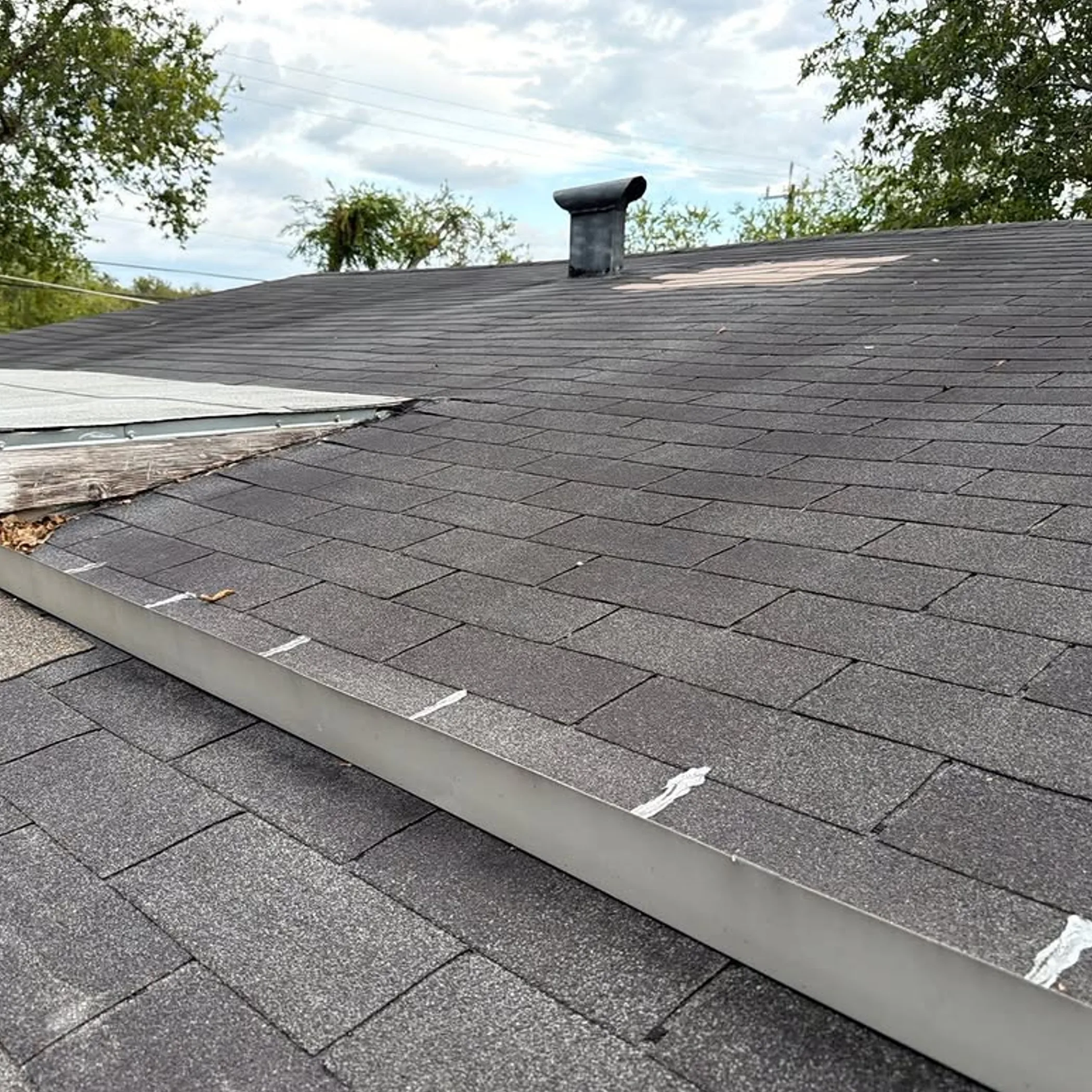
Neither season is to be avoided, only planned for with some care. Winter has its slippery surfaces and short days, summer its storms and the prospect of wet season rain or bushfires. An emergency is an emergency; a leaking roof will not wait for autumn. Put up some temporary cover while permanent measures are put in place but a tarp is not something to rely on indefinitely.
A Case For Summer
If the forecast is stable and the heat is not on, summer can be good for roof work in Adelaide, Melbourne and elsewhere in the south. Brisbane and the north are another matter given the humidity and storms.
Put in a booking for any substantial job well in advance of the heaviest storm period. After the weather has been bad the roofers are booked solid and you will have little say in the date.
When Winter Is Practical
A dry winter is a good time to get in and do some inspections or repairs. Coatings, sealants and painting are another matter; if the surface is damp or the temperature does not meet what the product calls for, then it is not the time for it.
Do not be fooled into thinking a roof is safe just because it appears dry from below. Tiles can be made slippery by shade, moss or condensation that has built up overnight. Where access is an issue, have a contractor who has the right fall protection come in.
Cleaning, Restoration And Replacement
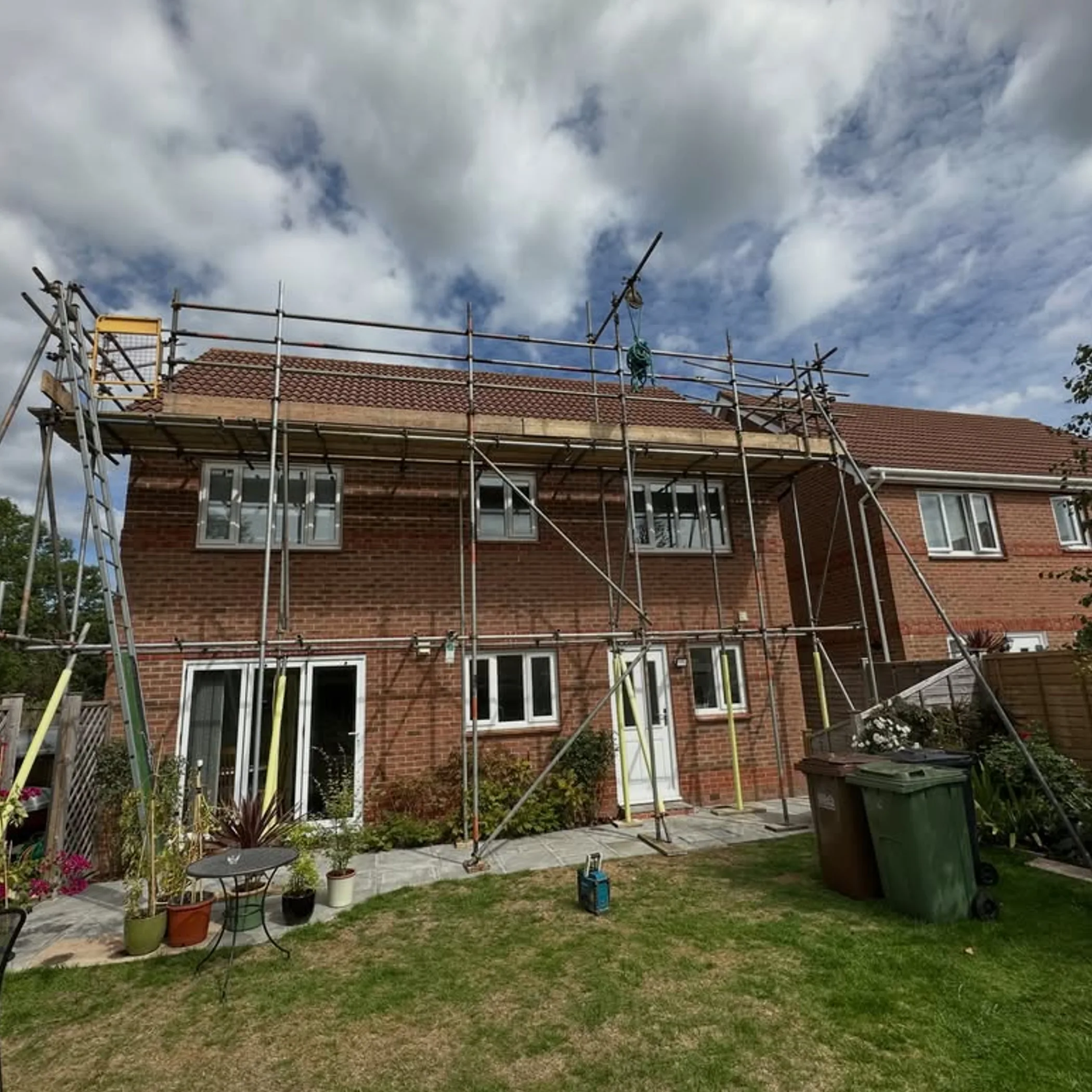
In Australia one will usually want to clean gutters ahead of the heaviest local rains. In the south that is autumn, in the north before the wet season sets in. Then there are homes under large trees which may require a bit of extra attention after a storm or when the leaves are down.
When it comes to seasonal cleaning of a roof, the aim should be to preserve the surface, not put a high-pressure washer to it until it is new again. Such methods can harm old tiles, work water under laps and dislodge any fragile coatings. Make sure the contractor can account for how runoff and debris are to be handled and the plants protected.
Work By Condition
For something like a couple of cracked tiles, some loose ridge caps or a bit of flashing that is damaged, a repair is in order. An older roof with a sound structure but several issues might call for restoration. Widespread damage, materials past their useful life or a history of leaks will point to replacement.
Age is only part of the story with a 20-year-old roof. One also has to consider the climate, the quality of the installation, maintenance record and exposure to storms. Get an inspection and put in for at least two thorough quotes.
Is $30,000 excessive? There is no one answer to that. You cannot put a value on it without knowing the scope. A small uncomplicated roof is not going to set you back as much as a large one with premium materials and difficult access. Have the warranties and payment terms confirmed and compare the itemised figures.
A Maintenance Calendar For Your Roof
Homeowners in Australia would do well to have a calendar in place for the odd visual check, some seasonal cleaning and to have a professional look things over after bad weather. How often this is done is dictated by the age of the roof, the gutters and downpipes, coastal exposure and so forth.
If you are doing a day’s maintenance, make a priority of any visible storm damage, blocked gutters and the like. But if you do not have the equipment or know-how to get up there, leave it. Put in for a qualified inspection; it is every bit as productive and spares the emergency services the excitement.
- Autumn is the time to clear your downpipes and gutters and see what the summer storms have done.
- Before winter rainfall, make sure any faults have been repaired and the drainage is working.
- Come spring you can plan for a coating or restoration, check your sealants and take stock of any winter damage.
- Prior to the wet season or summer storms, put away any combustible debris and make sure nothing is loose.
- After any hail or high winds, have a roof inspected without delay.
Roof Seasons: Some Common Questions
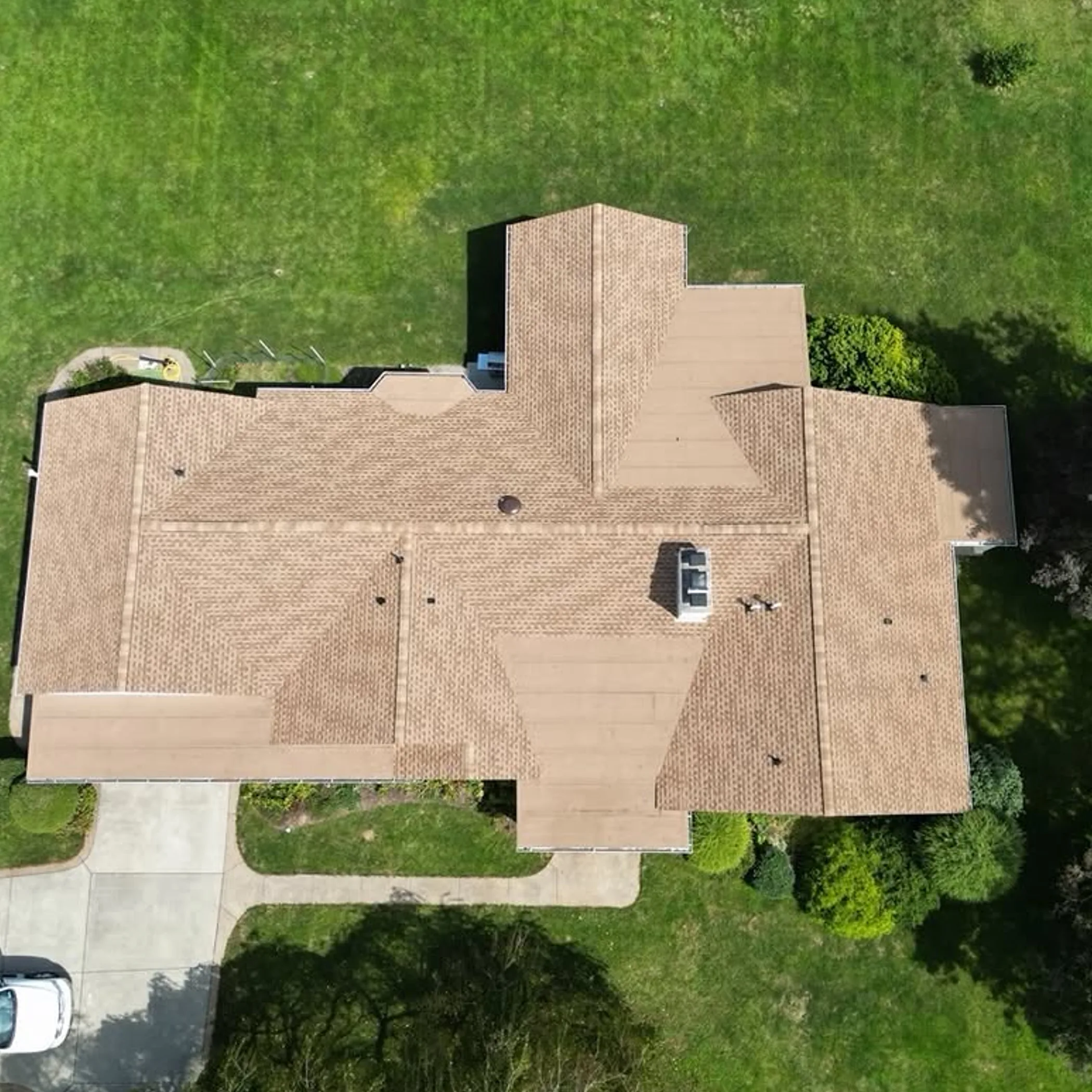
One asks these questions because it is all too easy to put off roof maintenance and hard to tell from the ground. The answer is generally to be found in the condition of the roof and the work at hand.
What are the colours of the moment for 2026?
Charcoal, neutral and muted greys and earthy shades are still very much in vogue for many an Australian home, though trends differ with the region and style of house. Before making up your mind, give the manufacturer’s range and any heritage controls or planning rules a look. Factor in heat, fading and the suitability of the coating for the material as well.
When do roofers have the most on their plate?
They will be at their busiest in the wake of a heavy rain or a hail event. Spring sees more demand for painting and maintenance while in autumn homeowners are getting ready for winter. An early booking for an inspection is advisable, especially in cyclone country or ahead of the wet season.
$30,000 for a roof?
Not of itself. You cannot put a value on it without knowing the scope. A small uncomplicated roof is not going to set you back as much as a large one with premium materials and difficult access. Have the warranties and payment terms confirmed and compare the itemised figures.
I have a 20 year old roof, is it time for a new one?
Not of course. Have it inspected for corrosion, underlay, the structure, any cracks in the tiles or ridge caps and the like. If the roof is in good shape a few repairs or some restoration will suffice. It is when the damage is extensive or you are constantly having to put it right that replacement makes sense.
Can I do my own maintenance?
From the ground you can inspect and keep an eye on the ceilings for leaks and put some accessible debris out of the way. Walking on the roof, working near solar panels or dealing with steep pitches and electrical hazards is for the professionals. When in doubt, do not go up. A broken ankle is no way to clear a gutter.
Get Ahead Of The Weather
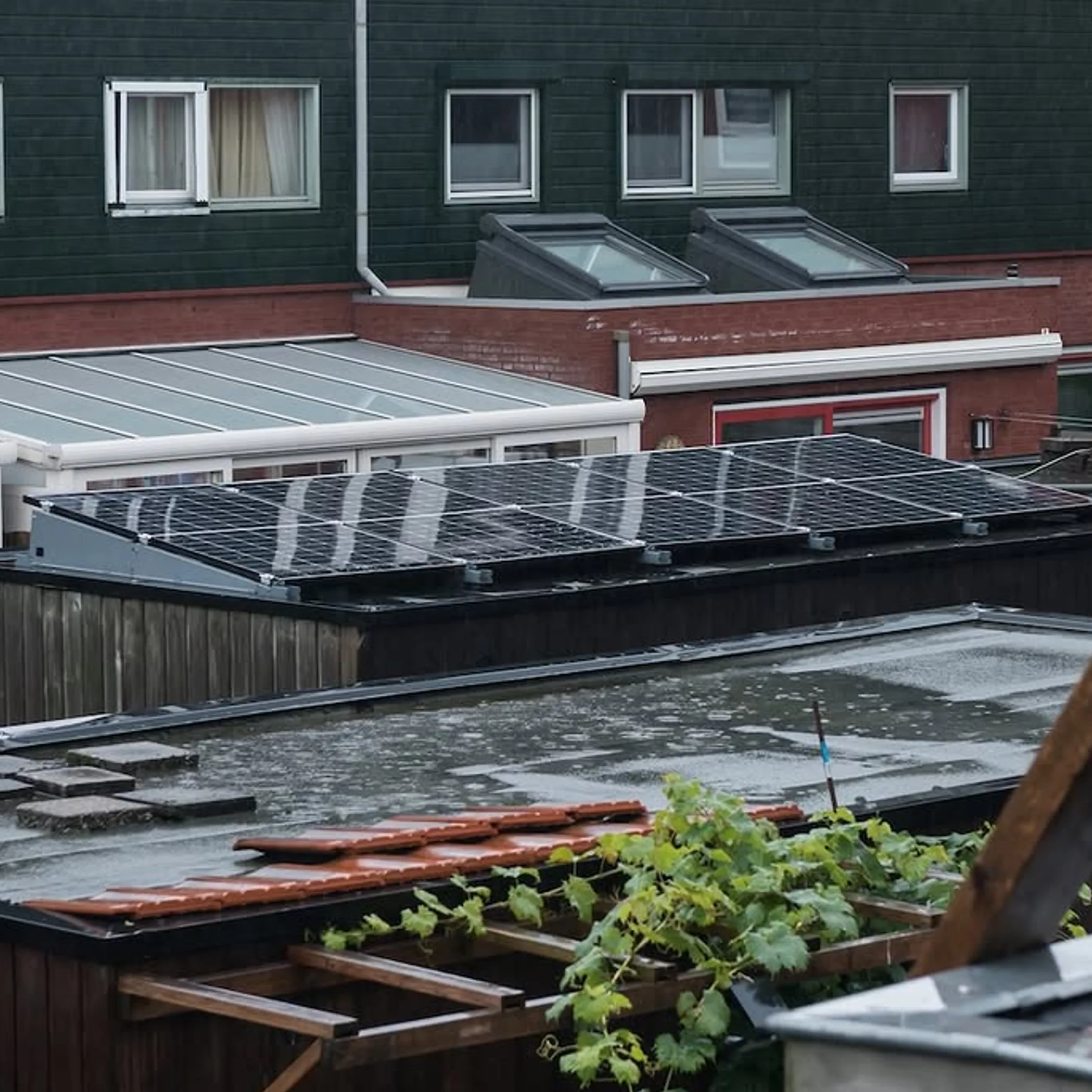
The months between March and May and September and November offer the best chance for maintenance for most. Use them for the odd repair and to prepare for the season. But a rigid national timetable is no use to a homeowner in Sydney, Melbourne, Perth, Adelaide, Brisbane or the NT; follow the local forecast.
There is no need to fuss over the roof continually. Give it some sensible attention when the time is right. That way you avoid the kind of problem that puts a damper on breakfast, ruins a ceiling and provides a new home for the mozzies.
