There is more to microblading safety in Australia than having brows that are photogenic. To be blunt, while a qualified practitioner will have you covered with the right hygiene, pigments and screening, making it a safe procedure, there are genuine risks involved. Infection, scarring, an allergic response or sub-par cosmetic work are all possibilities, not to mention poor pigment retention. It’s also essential to consider permanent lash line tattoo concerns.
I am Matthew Vale and over the years I have made a habit of comparing what is put forward as advice. One finds that for all the before-and-after imagery on show, the unglamorous details get overlooked. Yet with cosmetic tattooing those are the important ones: from skin penetration and single-use tools to council hygiene rules and healing time, and being able to tell when your skin is giving you a red flag.
In Plain English
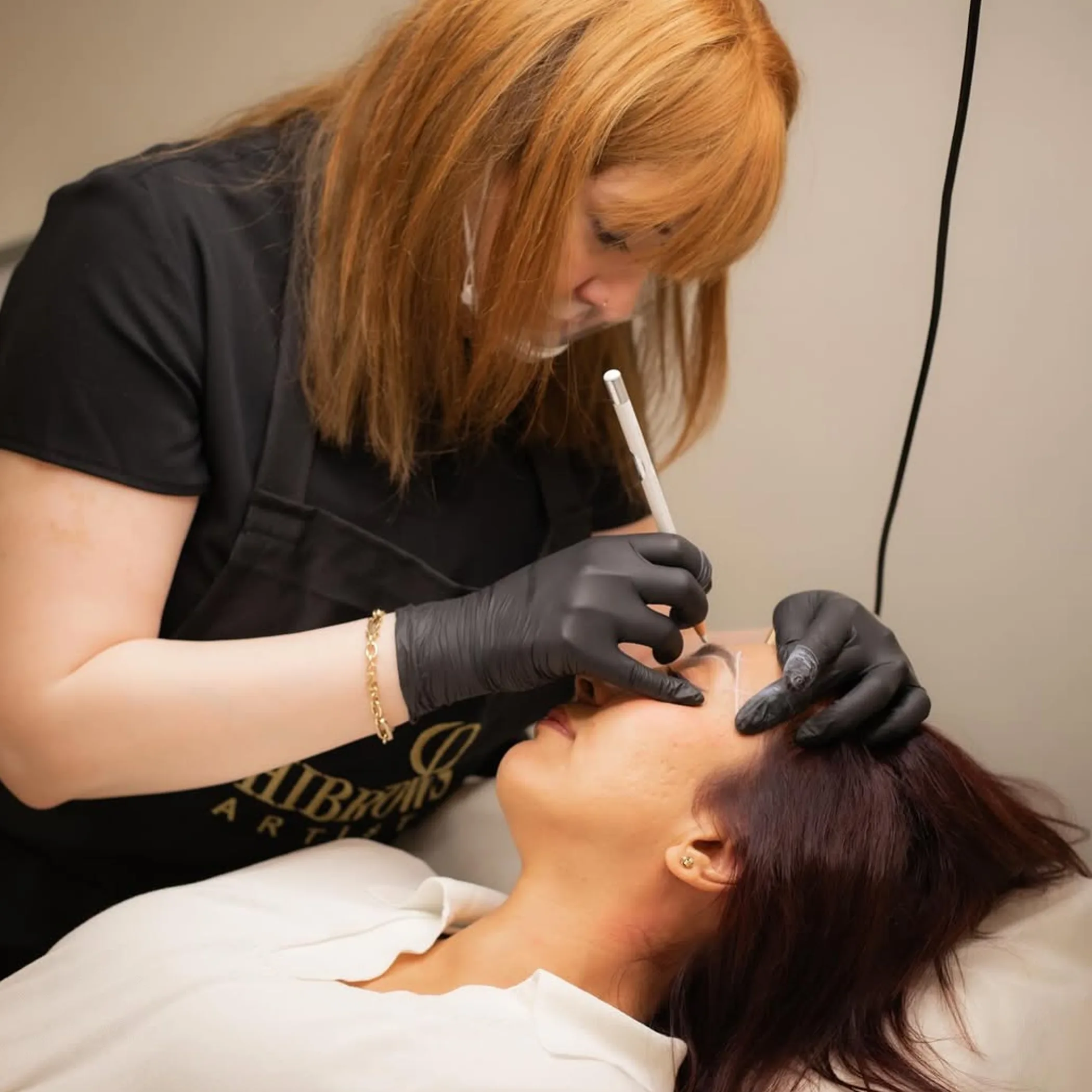
You will see microblading put about as some kind of low-fuss beauty treatment, but it is a skin-penetrating process all the same. So you have convenience and then you have health matters to consider. This guide is for anyone wanting the practical side of things rather than scaremongering; we will go through the risks of eyebrow tattooing, how to mitigate them and for whom microblading is a non-starter.
The Nature Of Microblading
By way of definition, microblading is semi-permanent cosmetic tattooing. It employs a handheld blade of fine needles to put pigment into the skin for hair-like strokes. Not as deep as some machine methods perhaps, but it does breach the skin barrier.
And once you have done that, cross-contamination and infection controls are not optional. They are a safety imperative. Which is why technique and standards on the part of the practitioner, and your own aftercare, are what underpin microblading safety in Australia.
Reality Check
Semi-permanent is not to be taken as a promise of a tidy fade with no looking back. The pigment may turn ashy or patchy. Oily skin has a way of blurring the strokes. If the skin is mature or has been damaged by the sun, do not expect the crisp lines you were sold.
It is like travel planning or any number of beauty choices: one envisions the finished article and puts out of mind human error, the weather, how the skin will heal. As I have observed, a lack of symmetry or fading are typical complications of microblading and fixing such cosmetic problems is no cheap matter.
Where The Risks Lie
They are not hard to identify. Infection, granulomas, scarring, an allergy to the pigment and less than pleasing results are well documented. The problem is clients can be too casual about early warning signs. Some of these are ordinary enough in appearance. While a few will pass, others call for a medical opinion. Far better to know the distinction than to be swayed by the language in a salon.
What To Make Of Common Problems
An infection is possible where equipment is not up to scratch, the area is contaminated or aftercare is lacking. You will know by the redness, swelling, heat, a throbbing pain, pus or a fever, or simply skin that is worse for wear a few days down the track.
Then there is the matter of an allergic reaction to some of the ingredients in the pigment. Patch testing is advisable but cannot preclude a deeper reaction. Look for rash, itching, swelling or irritation that lingers.
More serious though less frequent are scarring and granulomas, which are inflammatory nodules the body forms in response to what has been implanted. You will find such complications reported in the medical literature, PMC included, in connection with foreign-body reactions to tattoo pigments.
| Risk Area | What to look for | Action |
| Infection | Redness and heat on the increase, discharge, pain | Do not delay in seeing a doctor if a fever comes on or it gets worse |
| Allergic Reaction | Rash, itching, irritation, swelling that will not abate | Put in a call to your GP and the practitioner |
| Poor Cosmetic Result | Colour is off, shape uneven, strokes are blurred | Let it fully heal first, do not be in a hurry to put it right |
| Scarring | Skin is indented, firm or shiny | A dermatology review is called for |
| Granulomas | Nodules or lumps | Requires medical attention |
As for the exact percentage of complications from one end of the country to the other, there is no Australia-wide dataset to give us the numbers. One should be blunt about it. The base risk is not nil, for the procedure entails skin trauma and the implantation of pigment with attendant exposure to blood or body fluids. Put another way, if 100 people put themselves through a cosmetic procedure of this kind, a few will have minor healing problems and some will see more serious complications.
Infection: the big one
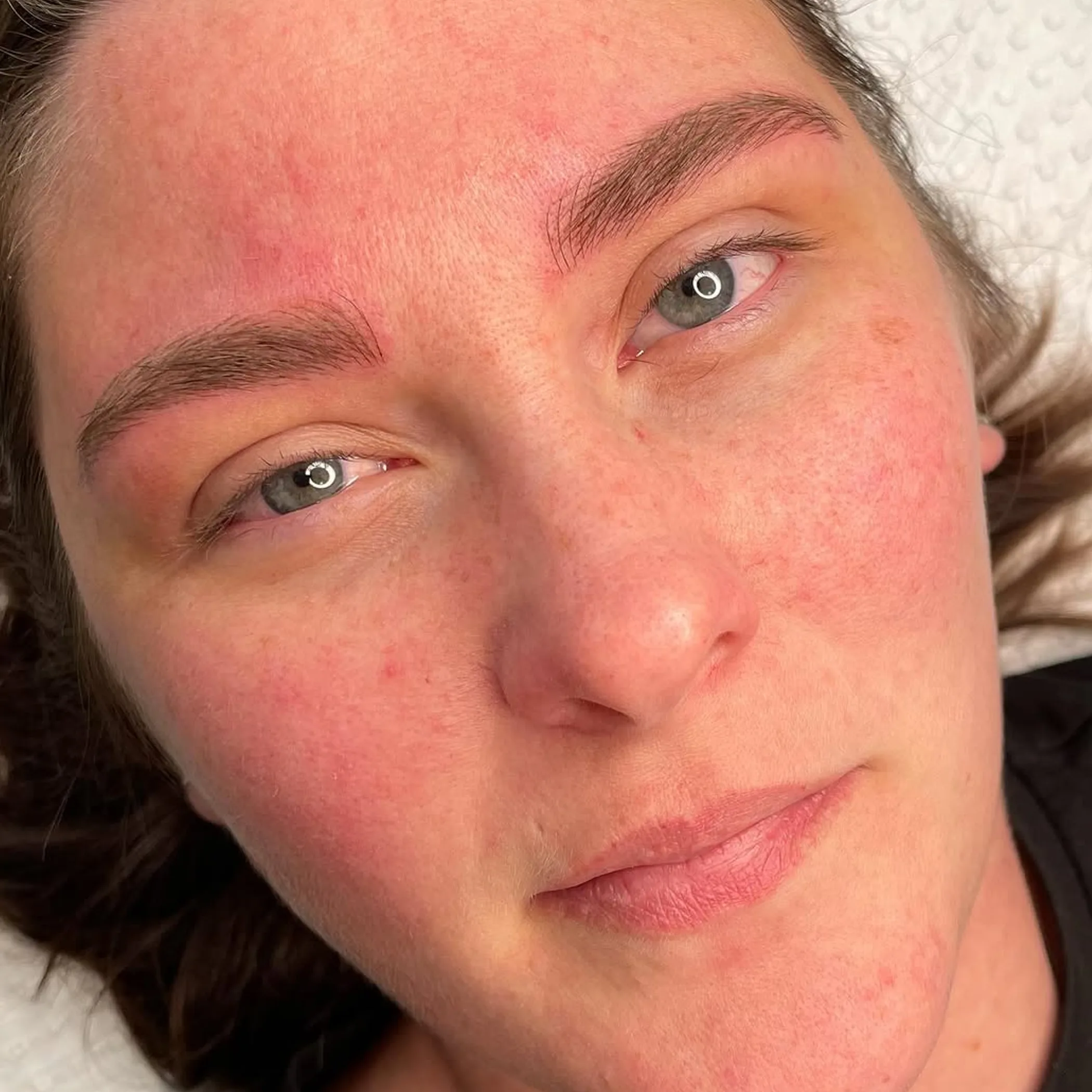
It is infection that most people are inclined to wave off. A little redness in the first instance is to be expected; skin that gets angrier by the day is not. With microblading safety in Australia, the prospect of infection is what makes it a matter of public health rather than a beauty preference. When a blade is to the skin there can be no rough-as-guts approach to hygiene.
The source of infections
For the most part they are the result of contaminated pigment, tools that have been put back into use, an unclean workspace, sloppy aftercare or a failure to sterilise and use single-use blades. Think contaminated pigment. A practitioner who has a problem on his gloves and then handles a phone or payment terminal or a drawer is inviting trouble.
Clients are not immune either. Unwashed hands on healing brows, non-recommended products, heavy sweating, a swim or even some sun and saltwater because the weekend was pre-arranged (one can understand the logic but the skin is indifferent to your plans), picking at scabs – all of these can cause issues.
Warning signs
Normal healing may involve some flaking and tenderness. But if you notice the area turning hot and tight, pain on the increase, swelling of any consequence, a fever, yellow discharge or redness that is spreading, do not put in a message to the practitioner and make of it what you will. Seek medical opinion.
For those wanting to know how biological hazards and workplace hygiene are to be managed in a skin penetration business in Australia, Safe Work Australia guidance on workplace health and safety is the official place to turn for guidance on health and safety.
Patch tests are not as optional as many would have it
Some regard them in the same light as forgoing sunscreen when the clouds look thick enough. It is not wise. While a patch test is no guarantee, it will show up certain sensitivities before any pigment is put to the face. In the realm of permanent makeup safety this is where ingredient awareness comes into play; skin histories and pigments are not all created equal.
What brings on a reaction
An allergy to the pigment could be down to preservatives, colour additives or something in the formulation. Delayed sensitivity is possible in a client with no prior record of trouble. One need only read the work of Dr Rupa Wong of Elka Clinic or educators from Nirvana PMU, Lilac Beauty and OHMYBROW to see why consultation and a good history are so important. Then there is the simple fact of the matter pointed out by Paula’s Choice: an irritated or compromised piece of skin is apt to be more reactive. Microblading is not going to put it right if the barrier is already riled up.
A few questions to put to the practitioner
- Can I have the details on the pigments? Is there a patch test and when should it be done?
- Do you have experience with sensitive, mature or oily skin?
- And what is the protocol should an allergic reaction set in post treatment?
Vague or defensive answers are telling. There is no point in the sales patter, you want responses that are specific and documented.
Undoing things is not easy
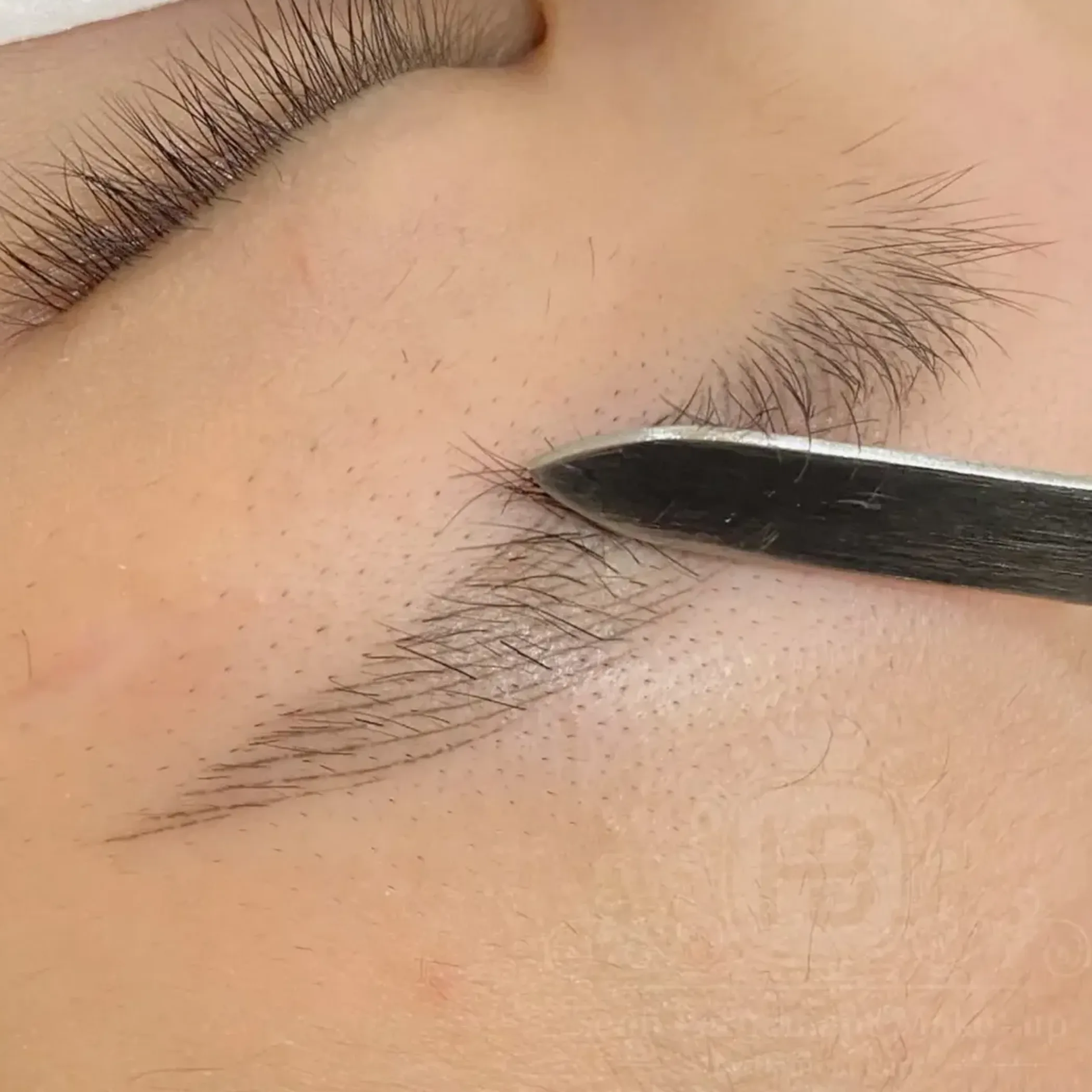
Semi-permanent is a word that gives the impression results will fade away nicely. They may, or they can linger like an uninvited guest. Eyebrow tattoo removal is an unpredictable and costly affair and not all pigments will respond to a laser, while saline methods have their own healing demands.
Scarring and granulomas
These risks do not get the attention of a disappointment over shape or colour but they are of greater medical import. An aggressive hand, repeated passes, an infection or a propensity to scar can all contribute. Granulomas are rare but they indicate a foreign-body inflammatory response. Anyone who thinks of a cosmetic tattoo as a surface treatment would do well to read up on the granulomatous reactions detailed in the PMC medical literature.
There are a number of reasons for having microblading done away with
Colour that has changed, strokes gone blurry, migration, asymmetry in the brows, or simply a change in what is in vogue will do it. Then there is poor mapping to begin with or one is left wanting after a round of touch-ups. The mistake most make is to think the first session is where the commitment ends. Put maintenance and correction and even removal into the budget equation.
The same holds true if one is looking into the issues with permanent lash line tattoos; you want more, not less, in the way of screening and hygiene when pigment is being put into such sensitive facial tissue.
Some People Should Sit This One Out
You will not be awarded for going ahead with something when contraindications are plain to see. A treatment is not for everyone and in many instances the prudent thing is to put it off, or forgo it entirely. In this respect you can spare yourself some expense, inflammation and grief.
Medical And Medication Red Flags
Those who should stay clear of microblading have active skin infections, uncontrolled diabetes, bleeding disorders, certain autoimmune diseases or have been prone to keloid scarring. Recent work on the face or an inability to heal well are also factors. Practitioners tend to be circumspect about pregnancy and breastfeeding but individual medical opinion and their own policies will vary.
Then there is Accutane. Isotretinoin compromises the skin’s healing and fragility so any use of it, present or recent, is grounds for putting off the procedure. Blood thinners warrant a conversation too given the effect they have on bleeding and by extension the placement and healing of the pigment.
Skin Type And Age
Oily skin and holding a pigment do not always mix well and can be exasperating. What was a hair stroke blurs quicker and once healed the result is softer or patchy. Mature skin is no easier to deal with. To those who wonder why over 55s are steered from microblading, the answer is not that age disqualifies you per se, but thinner skin, sun damage, lack of elasticity and the like render the outcome anything but predictable.
For a simple view of it: if you are a novice to beauty treatments and expect symmetry with no discomfort or upkeep, this is not for you. A machine powder brow may be put forward as a less risky option for some, but the practitioner will have to assess your skin.
Australian Rules Are Not Identical Everywhere
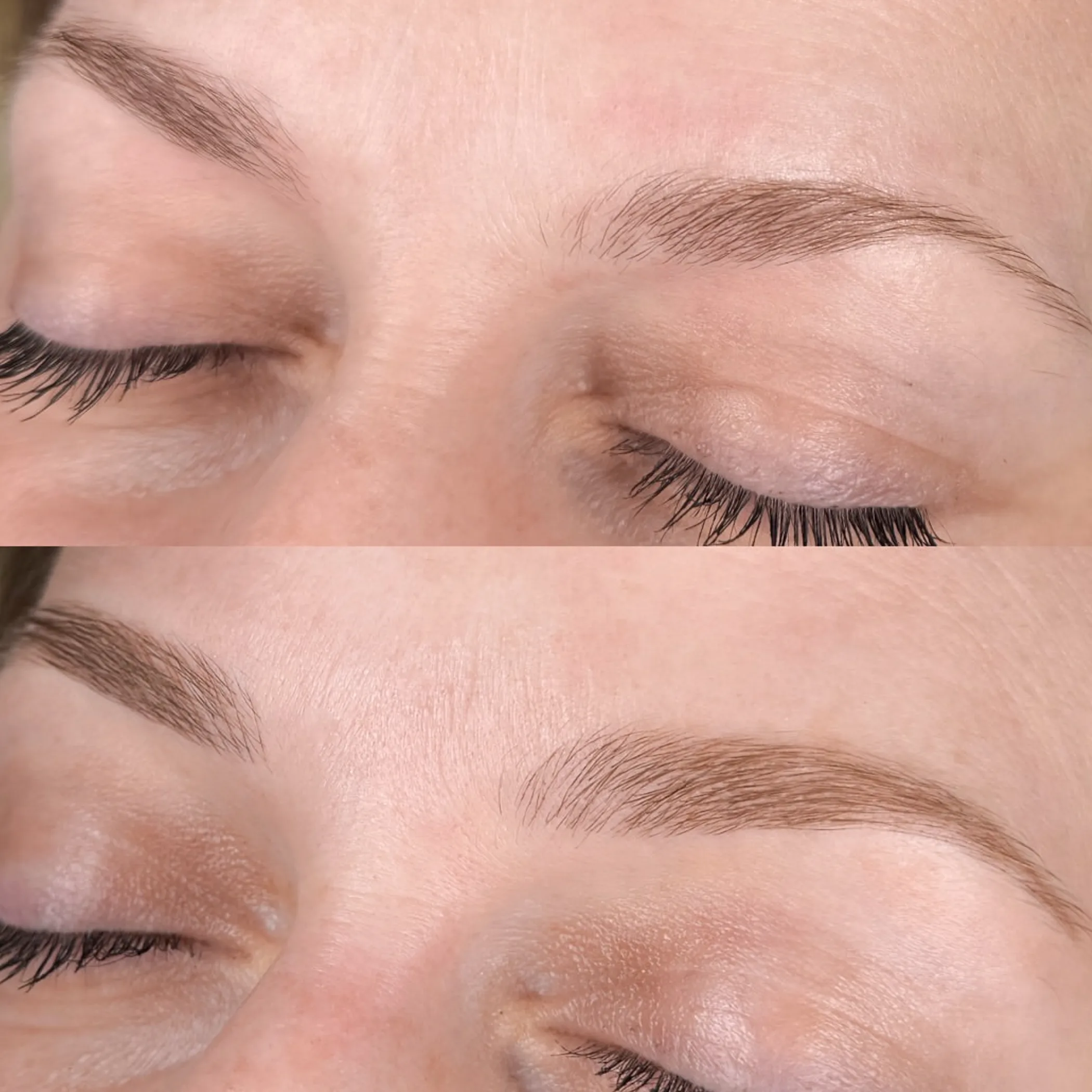
Plenty get caught out here. You will not find a single national rulebook for microblading in every Australian suburb. There are state and territory health regulations to contend with, local council hygiene rules and infection control. So an inquiry as to how microblading is regulated in Australia is best answered by looking at the business and its local compliance. An Instagram page is no indicator of council oversight.
What To Look For In Practice
A skin penetration business in Australia is subject to standards on record keeping, premises, disposal of sharps and hand hygiene among other things, the authority depending on where you are. Some jurisdictions have public health guidance for these procedures. ABC News has made much of cosmetic safety in Australia and the message is still valid: services that break the skin should be regulated and not taken for granted. Find out if the business has the necessary approvals and is up to council requirements.
Choosing A Practitioner Without The Guesswork
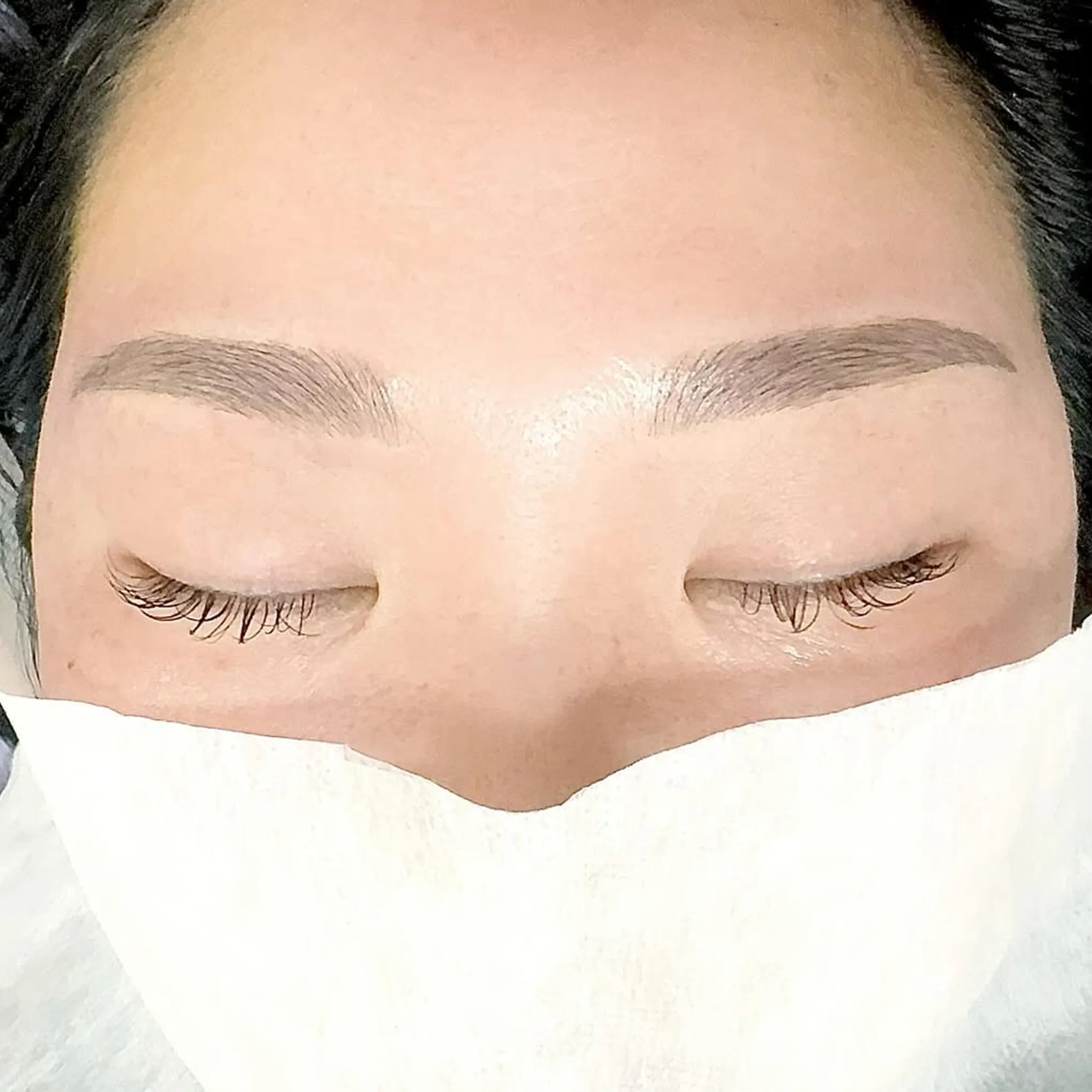
Much of the risk is eliminated before you are in the chair. A good practitioner will screen and document and explain things and say no if he must, rather than just put a result in front of you.
Matthew Vale would tell you to walk if the consultation is all sales talk or evasive or hurried. There are enough competent operators about to make a gamble on a dodgy one unnecessary.
Green Flags And Red Flags
A practitioner worth his salt will set out the guidelines for skin penetration in straightforward terms, have you see him open tools, use sterile blades and don fresh gloves. He will put aftercare in writing and show you healed examples on various skin types, not just new brows.
As for red flags: no form for medical history, no mention of your medications, tools that look to have been used before, or someone who downplays the risk of infection and promises perfection. Do not be put off by the word licensed technician, it is not a term with universal meaning in all parts of Australia. Make sure you know what training and compliance is behind it. A Safer Sign will have its concerns laid out for you. Here is what to look at in the way of consultation, tools and the like.
| What To Check | Safer Sign | Concerning Sign |
| Consultation | Detailed medical screening | Quick chat and deposit request only |
| Tools | Single-use blades opened in front of you | Vague answers about sterilisation |
| Pigment | Clear product information and batch records | No ingredient transparency |
| Healing Advice | Written aftercare instructions | “Just keep it dry, you’ll be right” |
| Portfolio | Healed results on multiple skin types | Fresh photos only |
Aftercare Is More Than You Think
One might think the session is done when one gets up to have a good look in the mirror. But healing is part of the procedure, and in some instances the part that determines if the result is going to be fine or go sideways. I would say this is what most people do not appreciate before microblading: the aftercare is not nearly as glamorous as the appointment yet infinitely more consequential.
First Days: Good Habits
Be sensible and adhere to the practitioner’s hygiene-based instructions to the letter. Do not touch or pick at the area, let it stay clean and put off any heavy sweating, pools, saunas, direct sun or skin care that could cause irritation until the healing has taken hold.
Then there are the logistics. If you are in Queensland and make a habit of cycling in the humidity, or have gym sessions, beach time or an outdoor shift coming up, plan accordingly. Book the procedure at a time you can put some protection on the area instead of telling yourself you will forgo surf and sunshine for two weeks when you know you won’t.
The Cost In Reality
Prices are all over the place but the least expensive is seldom the safest or the best value in the long run. Put aside the headline figure and consider the cost of the initial procedure, a consultation, a recommended touch-up or correction work and even eyebrow tattoo removal should things go pear-shaped. That is the true cost base.
A Quick Safety Checklist
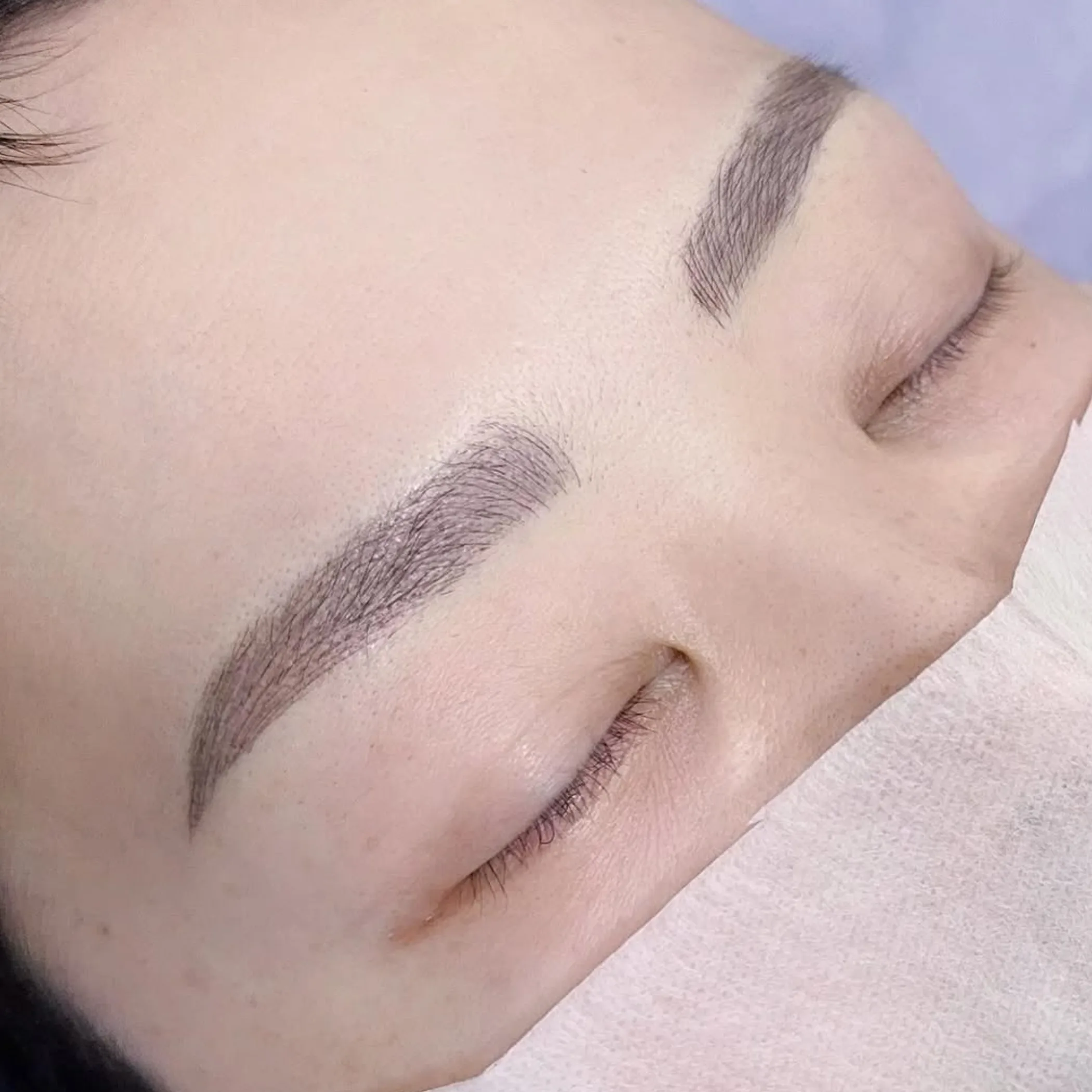
Given a day to make up your mind, put the consultation ahead of the booking slot. It is where you will see the realism and hygiene habits of the practitioner and if he or she can spot why you should not be going ahead. Before you commit, here is the checklist:
- Make sure the practitioner abides by documented protocols and uses sterile, single-use blades.
- Inquire as to how allergic reactions are put down, the timing of a patch test and the ingredients of the pigment.
- Put on the table any medications such as isotretinoin and past scarring, bleeding or skin problems.
- See if the premises is in compliance with the council or state for skin penetration.
- If aftercare is not explained in plain terms or the practitioner is inclined to skip screening and minimise risk, do not book.
Frequently Asked Questions
Curiosity and nerves tend to be the sensible place to be for a cosmetic procedure with blades and pigment. These are the ones asked most.
Why is microblading frowned upon for the over 55?
It is not unsuitable per se. Mature skin has a way of being thinner, drier and less elastic, with more sun damage and a slower healing time. All of which means blurred strokes or poor pigment retention are more of a possibility. An assessment is called for, not just a glance at the birthday.
Is there something safer than microblading?
A powder brow from a machine or another softer form of cosmetic tattooing suits some better, particularly those with oily or mature skin. Whether it is a safer alternative is a matter of what is a better fit for your medical history and healing capacity, not merely a change of tool.
Why the trend to have microblading removed?
Because semi-permanent does not equate to subtle or easily reversed, as more clients are finding out. Be it bad symmetry, odd tonal fading, overworked brows from too many touch-ups or simply disliking the healed result, the reasons are common enough.
What do I wish I had known?
That your skin type will have more bearing on the outcome than the photos imply, that you may need a touch-up, that aftercare is stricter than you would think and that the healing process will alter the look. And perhaps to have put more effort into vetting the practitioner and less in front of a well-curated social post.
Will a patch test give me my guarantees?
No. It is no guarantee against an inflammatory or allergic reaction once the pigment is in. It takes some of the uncertainty away but the risk is still there.
The Sensible Takeaway
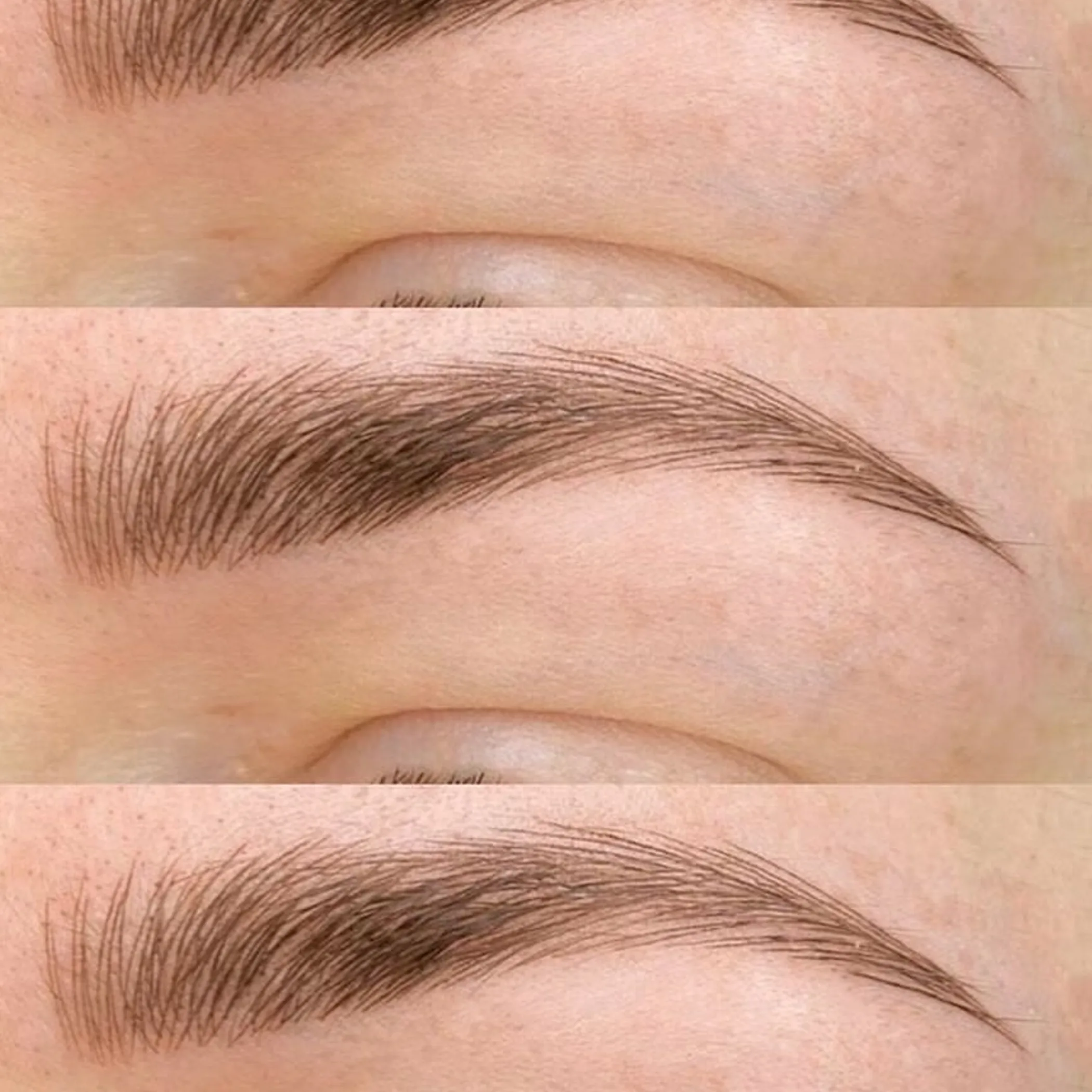
In Australia, microblading is only as safe as the practitioner, how well suited you are for it and whether you will put in the effort to do your aftercare. There is no more to it than that; should any of these be in question, so too does the risk.
As for Matthew Vale’s view on the matter: one should approach microblading with the same seriousness as any procedure that goes into the skin, not as a beauty stop off on the way from the shops or for a coffee. Put some hard questions to the practitioner and want straight answers. And if there is an unease about it, believe your instincts and leave your money where it is.
